
Last updated September 22, 2026
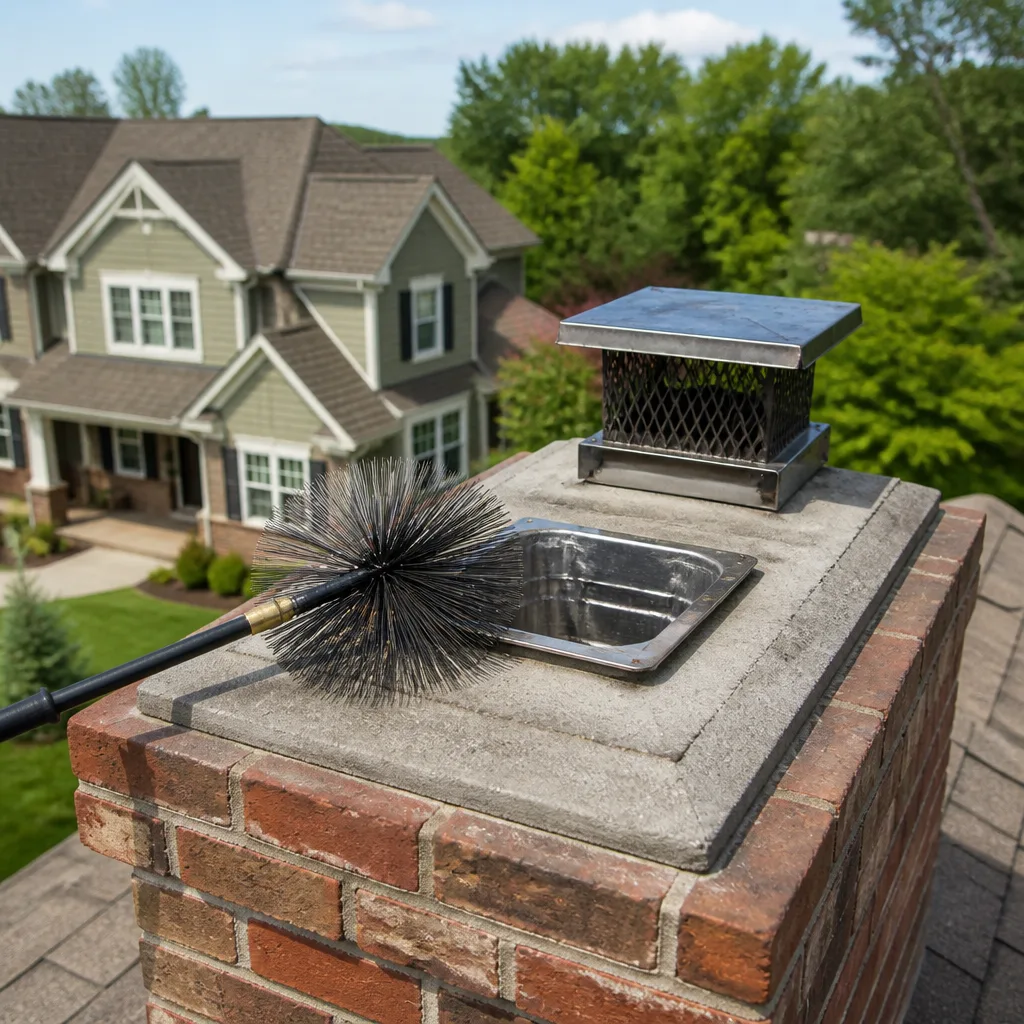
Level 1 sweep and inspection to the NFPA 211 annual standard - flue, crown, cap, and flashing checked and photographed
Chimney sweep logs do not sweep chimneys. They loosen some creosote - which then falls where a brush and vacuum still have to collect it.
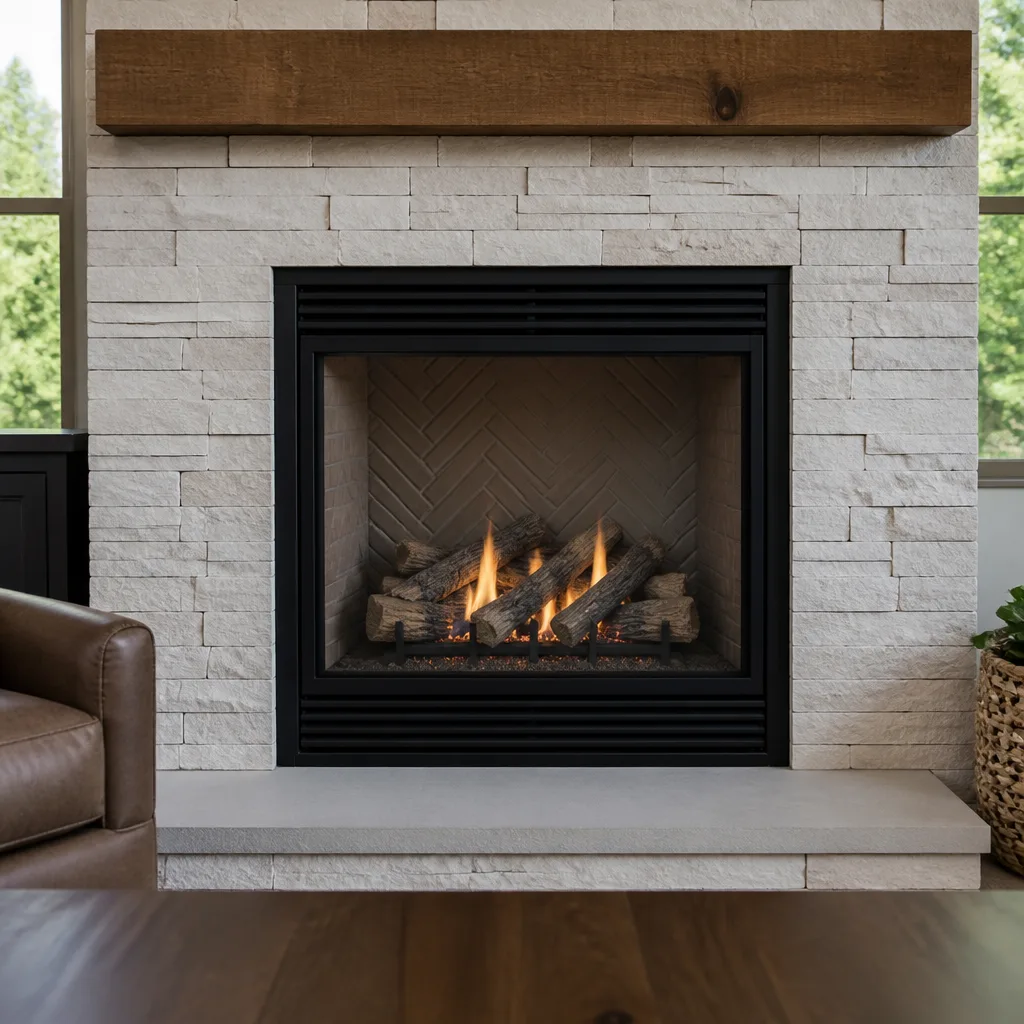
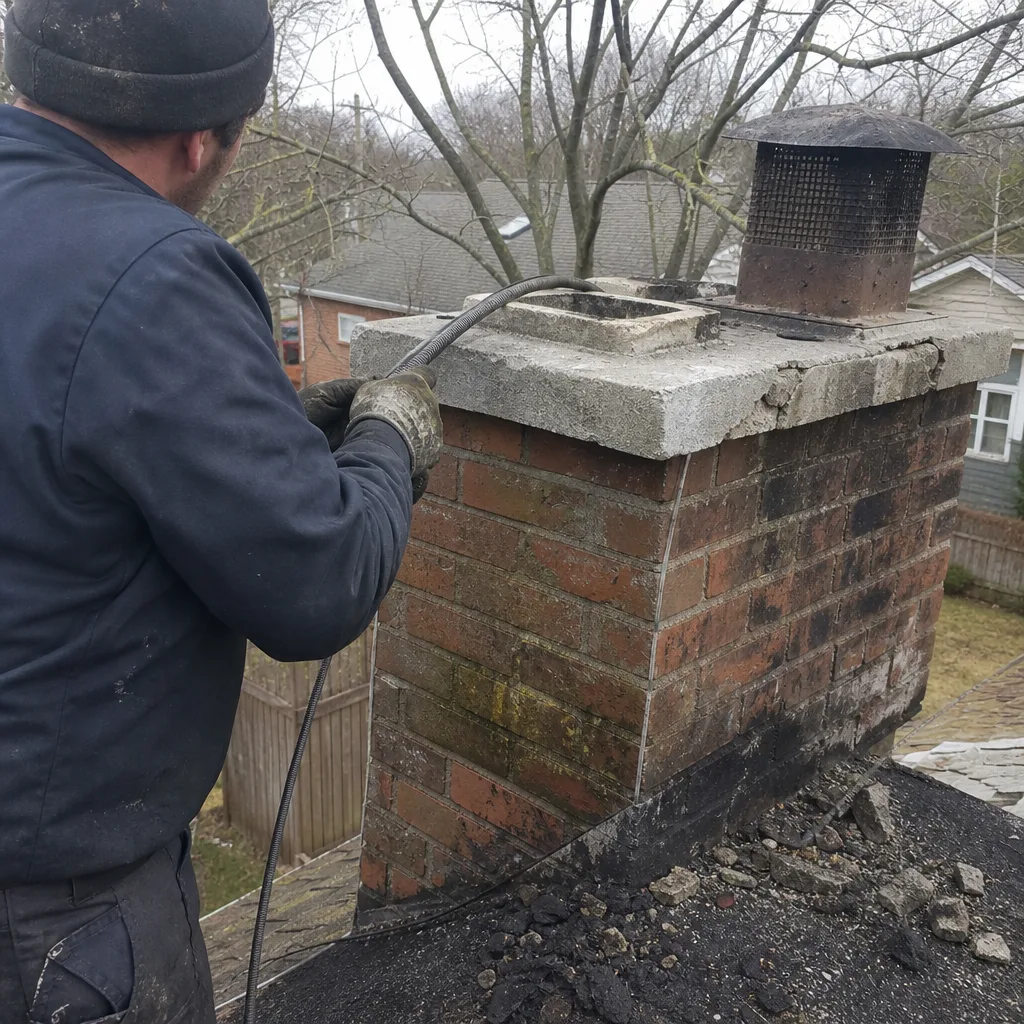 Before
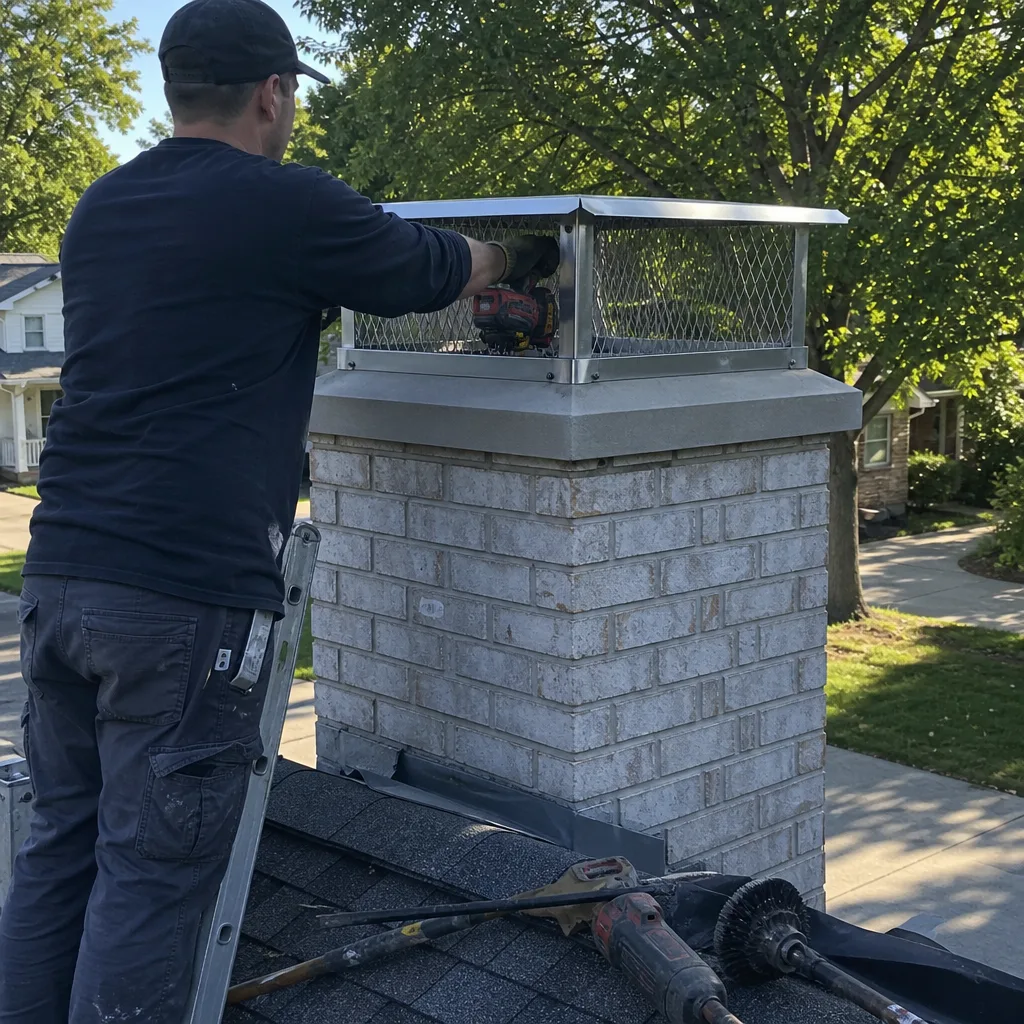 After
After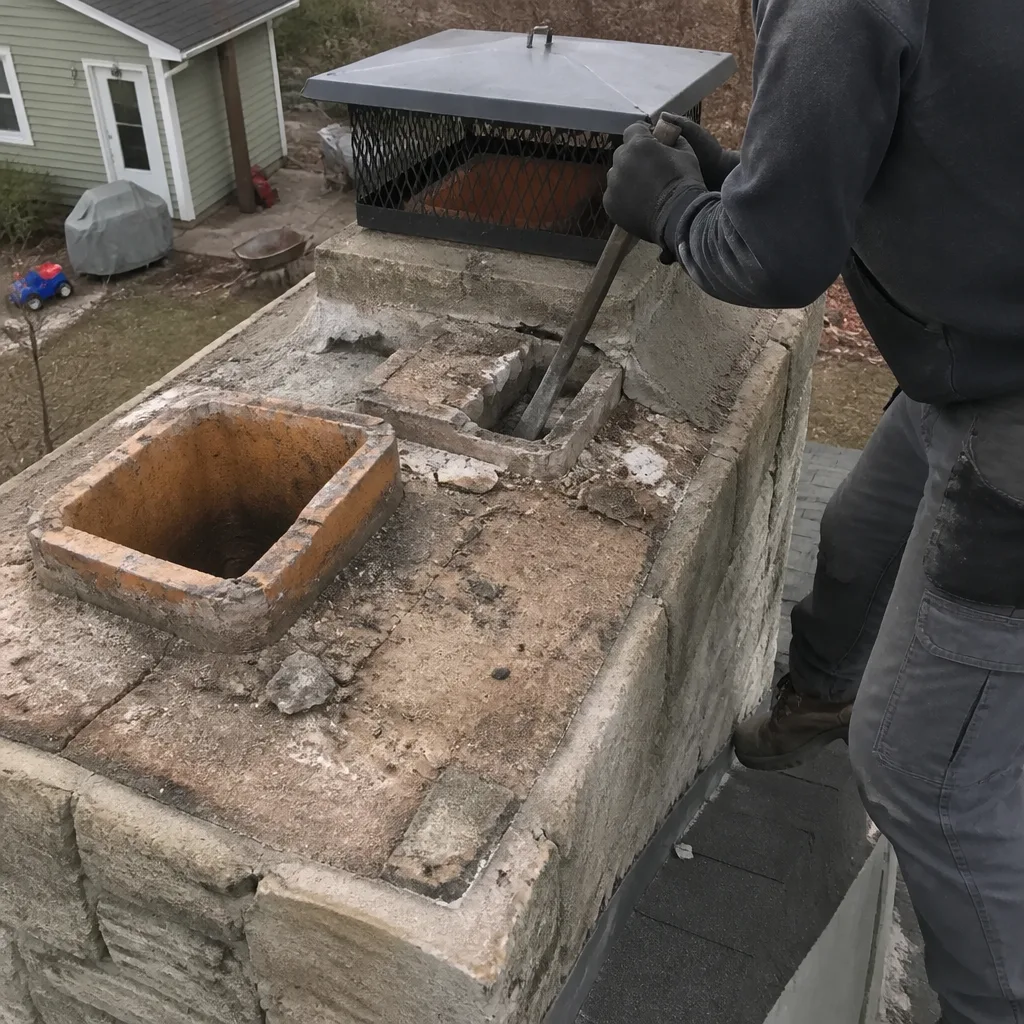 Before
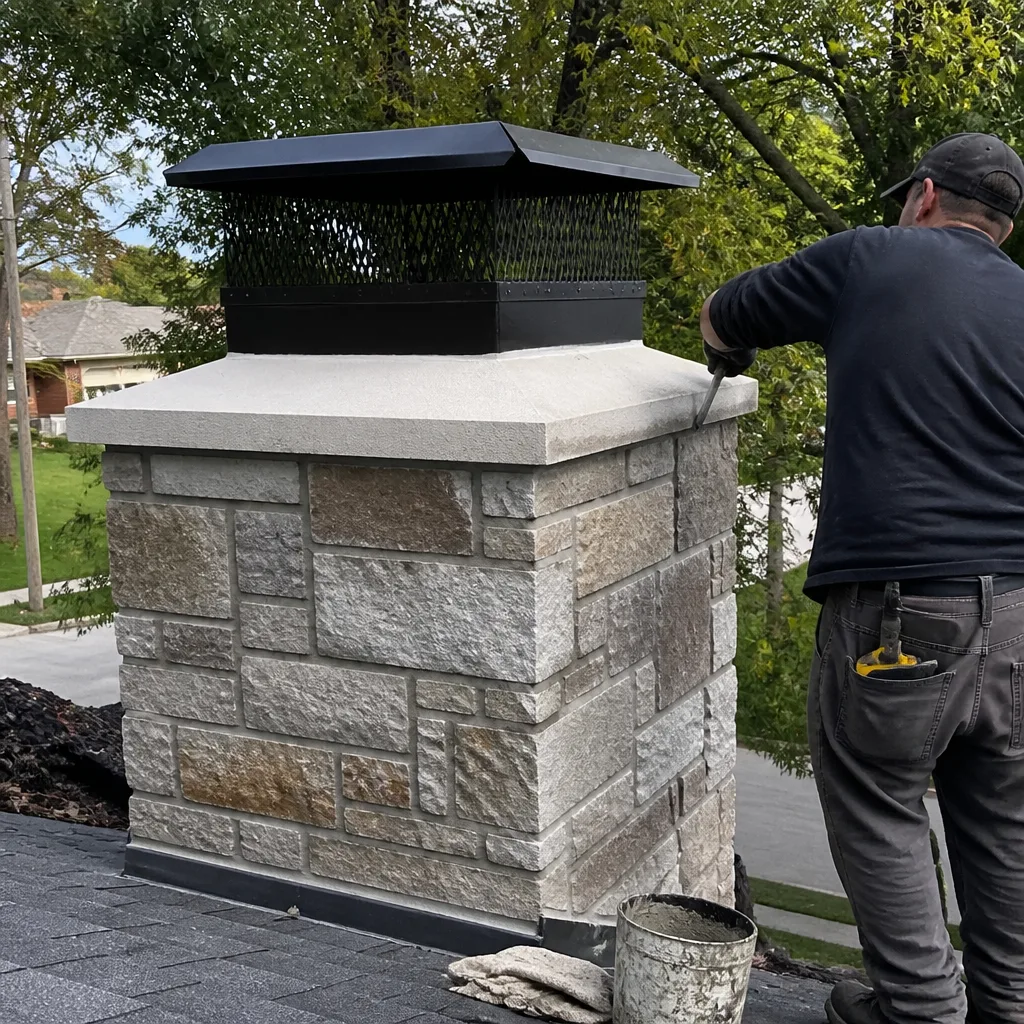 After
After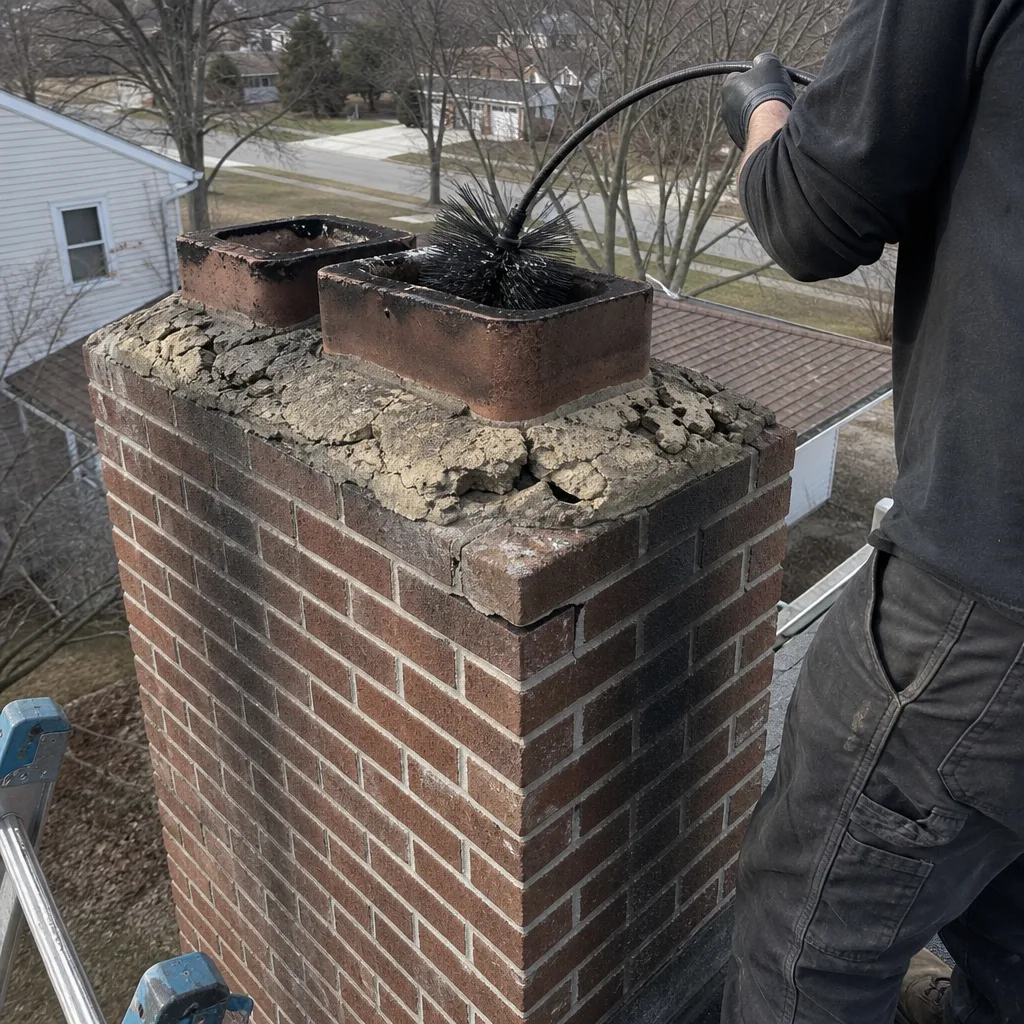 Before
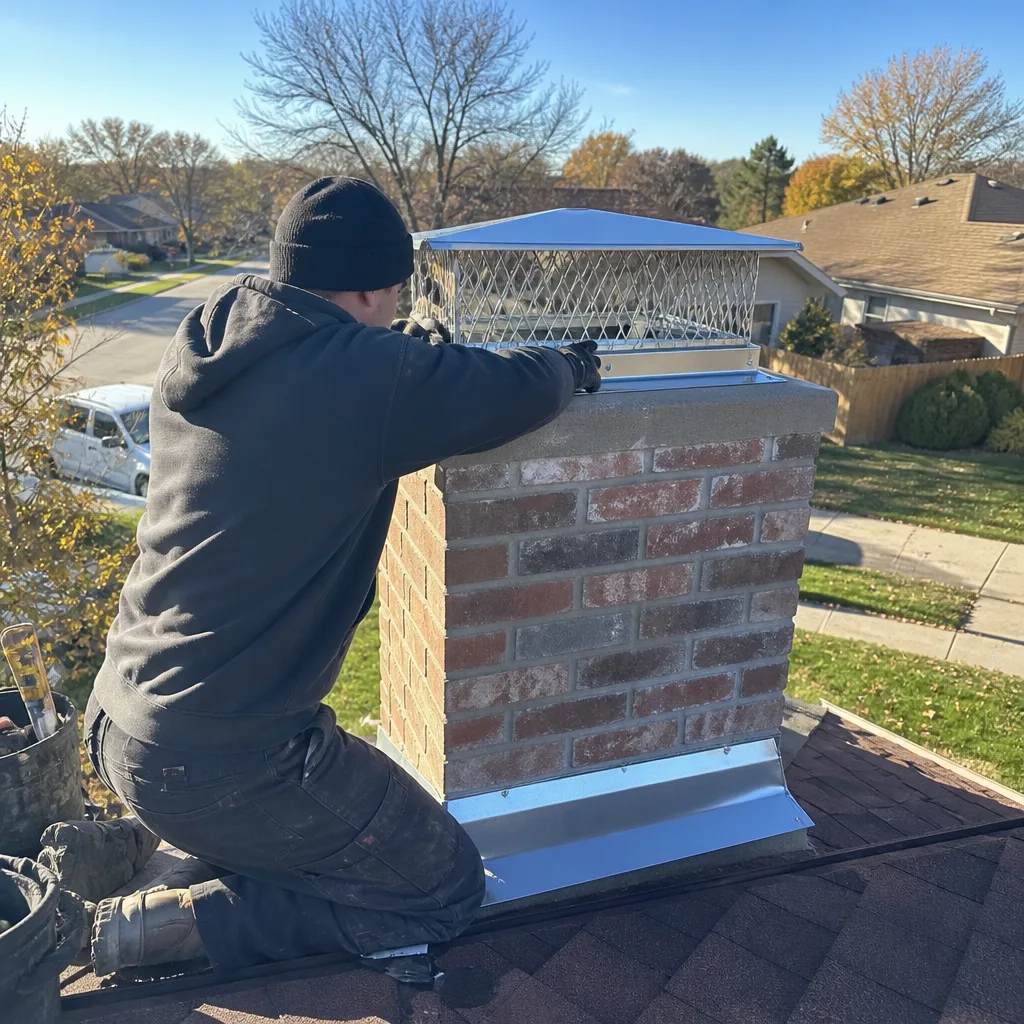 After
AfterHow to Hire a Chimney Cleaning Contractor in Naperville: A Step-by-Step Guide
In Illinois, no state license is required to call yourself a chimney sweep. That single fact changes everything about how you hire. Anyone with a brush and a ladder can knock on your door in the Cress Creek or Ashbury neighborhoods, quote a price, and leave you with no proof of what was or wasn’t in your flue. Since 2009, we’ve completed more than 38,000 chimney inspections and cleanings in the Naperville area, and we’ve seen the aftermath of both meticulous work and jobs that left homeowners with undocumented damage, surprise charges, or worse - a false sense of safety about a system venting carbon monoxide into their home. This guide gives you a specific interview script, a red-flag list, and a written-quote checklist so you can tell the difference before anyone sets foot on your roof. For seasonal chimney cleaning care for Naperville homeowners, see our year-round maintenance guide.
Quick Answer
Hiring a chimney cleaning contractor in Naperville means verifying three things in writing before booking: a detailed scope of work that specifies camera inspection (not just a flashlight look), proof of general liability and workers’ compensation insurance you can verify with a certificate, and a written price with warranty terms delivered before work begins. The best contractors document flue condition with photos before and after cleaning, carry CSIA or NFI technician certification, and can explain how Naperville’s freeze-thaw cycles affect your chimney’s crown and masonry.
Table of Contents
- Why Illinois Has No Chimney Sweep License - And What That Means for You
- The Five-Question Phone Interview Script
- CSIA vs. NFI vs. No Credential: What Each Actually Means
- What a Written Quote Must Include
- How to Verify Insurance in Illinois
- The ‘Before Photo’ Standard: Why Documentation Matters
- Naperville-Specific Factors That Affect Your Chimney
- Red Flags: Answers That Should Disqualify a Contractor
 Before
 After
AfterWhy Illinois Has No Chimney Sweep License - And What That Means for You
Illinois does not require a state license to operate as a chimney sweep. The Illinois Department of Financial and Professional Regulation licenses plumbers, electricians, and HVAC contractors, but chimney sweeping sits in an unregulated gap. Some municipalities require a general business license, and Naperville does require home improvement contractors to register, but that registration does not test technical knowledge of flue gases, creosote combustion temperatures, or NFPA 211 clearance standards. For details on chimney cleaning permits, codes & inspections in IL, see our compliance overview.
This matters because chimney work involves genuine hazards. A Class III glazed creosote deposit can ignite at temperatures above 1,000 degrees Fahrenheit. A deteriorated flue liner can allow carbon monoxide to seep through masonry into living spaces. A damaged smoke chamber can reduce draft and push combustion byproducts back into your home. These aren’t hypothetical risks - they’re conditions we document weekly in Naperville homes, particularly in older neighborhoods like East Highlands and the Historic District where original clay tile liners have endured decades of thermal cycling.
Without state licensing, the only enforceable standards are voluntary: NFPA 211 (the National Fire Protection Association’s standard for chimneys, fireplaces, vents, and solid fuel-burning appliances), and the credentials individual technicians choose to pursue. That puts the burden on you, the homeowner, to verify competence before hiring. The sections below give you the specific tools to do that.
One local note: Naperville’s building division enforces the International Residential Code with amendments, and any chimney rebuild or liner replacement requires a permit and inspection. A contractor who suggests skipping permitting to save time or money is exposing you to liability and potential code violations on resale. See our chimney cleaning cost breakdown for Naperville to understand how permit fees factor into honest pricing. Always ask whether permit costs are included in the written quote.
The Five-Question Phone Interview Script

When you call a chimney contractor in Naperville, you have five to ten minutes to distinguish a documented professional from an operation that leaves no paper trail. Use this script verbatim. The answers below represent what a qualified contractor should say; the “red flag” answers appear in the next section.
Question 1: “What does your inspection include, and do you use a chimney camera?”
Good answer: “We perform an NFPA 211 Level 2 inspection on every visit. That means a camera scan of the full flue length, top to bottom, with photos of the liner, smoke chamber, and firebox. You get the photo record as part of the standard scope.”
Why this matters: NFPA 211 defines three inspection levels. Level 1 is a visual check of accessible portions - what you can see with a flashlight from the bottom or top. Level 2 requires camera examination of internal surfaces and is the minimum appropriate standard when a home is changing hands, after a chimney fire, or before liner installation. Level 3 involves demolition of building components and applies only when hidden hazards are suspected. A contractor who defaults to Level 1 for routine cleaning is selling you an incomplete service.
At Level Two Chimney Naperville, camera-scan documentation has been Clause 4 of the Haven Standard since our founding in 2009 - years before insurers or regulators began requesting photo records. Every one of our 38,000+ jobs includes this documentation.
Question 2: “Will I receive a written quote before any work begins?”
Good answer: “Yes. We deliver a written scope, written price, and written warranty before any work starts. You’ll know exactly what we’re doing, what it costs, and what’s guaranteed.”
Why this matters: Verbal estimates invite scope creep. The technician arrives, “discovers” additional problems, and presents a revised price while already in your home. This pressure tactic is common enough that Haven Standard Clause 1 - H.A.V.E.N., “Have it in writing” - makes written upfront pricing non-negotiable. You should never hear “call for a quote” or “we’ll figure it out when we get there.”
Question 3: “Can you provide a certificate of insurance, and what coverage limits do you carry?”
Good answer: “We carry general liability and workers’ compensation. I can email you a certificate of insurance naming you as certificate holder within the hour. Our general liability is [specific dollar amount], and workers’ comp covers all technicians.”
Why this matters: Illinois requires workers’ compensation for most employers, but solo operators can exempt themselves. If an uninsured worker falls from your roof in Naperville, you could face liability through your homeowner’s policy. General liability without workers’ comp is insufficient for any job involving ladders or roof access.
Question 4: “What creosote removal method do you use, and how do you protect my home?”
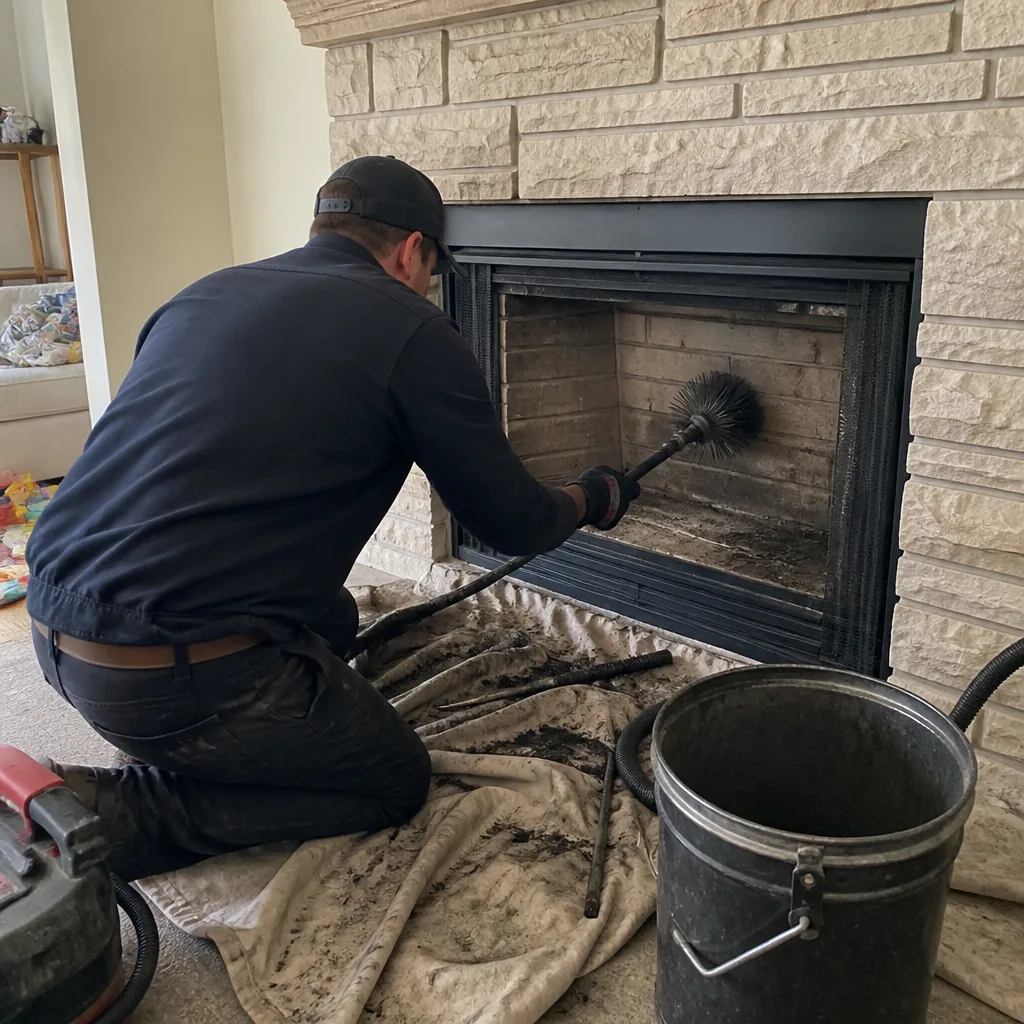
Good answer: “We use rotary cleaning systems with poly or steel whips sized to your flue diameter, contained with HEPA vacuums. We lay protective sheeting from the work area to the door, and we photo-document liner condition before and after.”
Why this matters: Naperville’s cold winters drive heavy fireplace use from November through March, producing significant creosote buildup. Rotary systems remove glazed deposits that brushes miss. HEPA containment protects against silica dust from masonry and fine particulate from soot. The “before” photo is your baseline - without it, a contractor cannot prove what condition your flue was in when they arrived.
Question 5: “What warranty do you offer, and what does it cover?”
Good answer: “We offer a [specific term] warranty on workmanship and materials, with written terms. If something fails due to our installation or cleaning, we return to make it right at no charge.”
Why this matters: Vague “satisfaction guarantees” are unenforceable. The Chimney Cleaning & Sweep in Naperville that stands behind its work puts the terms in writing. Level Two Chimney Co.’s 365-Day Done Right Promise, stamped on every job under the Haven Standard, specifies that if it’s not done right, we make it right - with documented photo evidence of the original condition.
CSIA vs. NFI vs. No Credential: What Each Actually Means
Certification is voluntary in chimney work, which makes understanding the distinctions essential. Here’s what each credential represents and where it falls short.
CSIA Certified Chimney Sweep
The Chimney Safety Institute of America (CSIA) offers the most widely recognized sweep credential. Certification requires passing a written exam covering NFPA 211, IRC chimney codes, and combustion science, plus agreeing to a code of ethics. Recertification is required every three years through continuing education or re-examination.
What it guarantees: The technician has demonstrated knowledge of industry standards and committed to ethical practice.
What it doesn’t guarantee: Hands-on skill, camera inspection proficiency, or adherence to any specific company’s documentation standards. A CSIA-certified sweep can still perform a flashlight-only inspection and leave no written record. Certification is a floor, not a ceiling.
NFI Certified
The National Fireplace Institute certifies technicians in specific appliance types: wood-burning, gas, and pellet. NFI certification focuses on installation and venting design rather than sweeping technique.
What it guarantees: Competence in appliance-specific installation and venting requirements.
What it doesn’t guarantee: Flue inspection or cleaning expertise. An NFI-certified gas technician may know little about evaluating clay tile liner deterioration or removing glazed creosote.
No Credential
Approximately 40% of U.S. chimney sweeps operate without CSIA or NFI certification, according to industry estimates. Some are experienced tradespeople with years of on-the-job training. Others are seasonal workers with minimal training who treat sweeping as supplemental income.
How to evaluate: Ask about years of experience, number of chimneys serviced, and whether they can explain the difference between Class I, II, and III creosote (loose soot, flaky deposits, and glazed tar-like buildup, respectively). Request references from recent jobs in Naperville specifically. A contractor with strong local reputation and documented work history may outperform a newly certified sweep with limited field experience.
Our position at Level Two Chimney Naperville: we require CSIA or NFI certification for all technicians, but we don’t treat it as sufficient. Camera inspection proficiency, documentation discipline, and adherence to the Haven Standard’s written-price requirement are equally weighted in our hiring and ongoing evaluation.
What a Written Quote Must Include
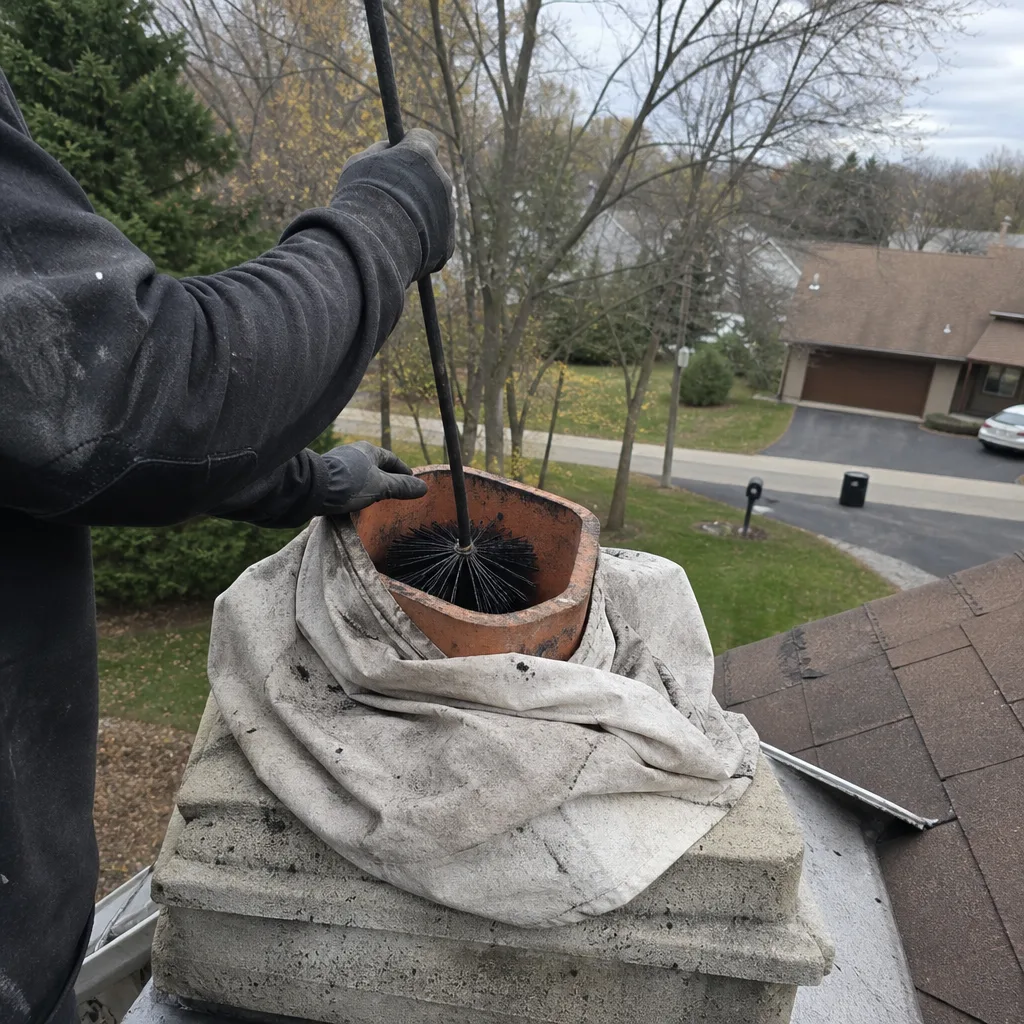
A proper written quote is a contract, not an estimate. It protects both parties and eliminates the “I thought that included…” disputes that plague home services. Before any Chimney Repair in Naperville or cleaning work begins, your quote should contain these seven elements:
- Scope of work: Specific tasks to be performed - “sweep and inspect flue serving wood-burning fireplace,” not just “chimney service.”
- Inspection method: Explicit statement of NFPA 211 inspection level and equipment - “Level 2 inspection with chimney camera scan of full flue length.”
- Equipment specification: Camera model or type, cleaning method (rotary whip, brush, chemical treatment for glazed creosote), and vacuum type.
- Materials list: If repairs are included, specific products - DuraFlex liner, HeatShield cerfractory sealant, Gelco cap model number, etc. Generic “stainless liner” or “sealer” is insufficient.
- Price breakdown: Line-item costs for inspection, cleaning, repairs, materials, and permit fees. A single lump sum invites dispute.
- Warranty terms: Duration, coverage scope, and process for claims - written, not verbal.
- Liability and insurance confirmation: Statement that contractor carries general liability and workers’ compensation, with certificate available on request.
At Level Two Chimney Co., Haven Standard Clause 1 requires all seven elements on every quote. We use materials sourced through our buying network from DuraFlex, HeatShield, Gelco, Olympia Chimney, Famco, and Copperfield - specific brands selected to keep customer prices honest through volume purchasing, not generic substitutions.
Here’s how competitor quotes often fall short:
- “Chimney sweep and inspection: $199” - No inspection level specified. Likely a Level 1 flashlight look.
- “Clean and check: $150” - No equipment specified, no warranty terms, no insurance confirmation.
- “Repair as needed: TBD” - Open-ended pricing. The classic bait-and-switch setup.
Never accept a quote that says “call for final price after inspection” or “additional repairs priced on site.” The written price before work starts is the entire point of professional standards.
How to Verify Insurance in Illinois
Verbal confirmation of insurance is worthless. A contractor who says “yeah, we’re fully insured” and moves on is either careless or deliberately evasive. Here’s the specific process to protect yourself.
Step 1: Request a Certificate of Insurance (COI)
Ask the contractor to have their insurance agent email you a certificate directly. Do not accept a PDF they generate themselves - certificates are easily altered. The agent’s email should come from the insurance company’s domain, not a generic Gmail or Yahoo address.
Step 2: Verify Certificate Elements
A valid COI shows:
- Named insured: The exact business name you’re hiring, not a DBA or personal name mismatch.
- General liability coverage: Minimum $500,000 per occurrence for residential work; $1,000,000 is standard for companies with multiple technicians.
- Workers’ compensation: Required in Illinois for most employers with one or more employees. Solo operators can file for exemption, but this means they have no coverage if injured on your property.
- Policy effective and expiration dates: Confirm coverage is current and extends through your scheduled work date.
- Certificate holder: Your name and address should appear here if you requested it.
Step 3: Call the Insurance Agent
Spend three minutes confirming the policy is active and the coverage amounts match the certificate. Agents verify this routinely; it’s not an unusual request.
Why This Matters in Naperville Specifically
Naperville’s housing stock includes significant two-story and three-story construction, particularly in newer developments like Tall Grass and White Eagle. Roof access for chimney work involves steeper pitches and greater fall risk than single-story ranch homes. Workers’ compensation isn’t abstract protection - it’s the difference between a covered workplace injury and a claim against your homeowner’s policy.
We’ve also seen uninsured contractors damage roofing, gutters, or interior finishes and disappear. General liability is your recourse. Without verifiable coverage, you’re self-insuring against their mistakes.
The ‘Before Photo’ Standard: Why Documentation Matters
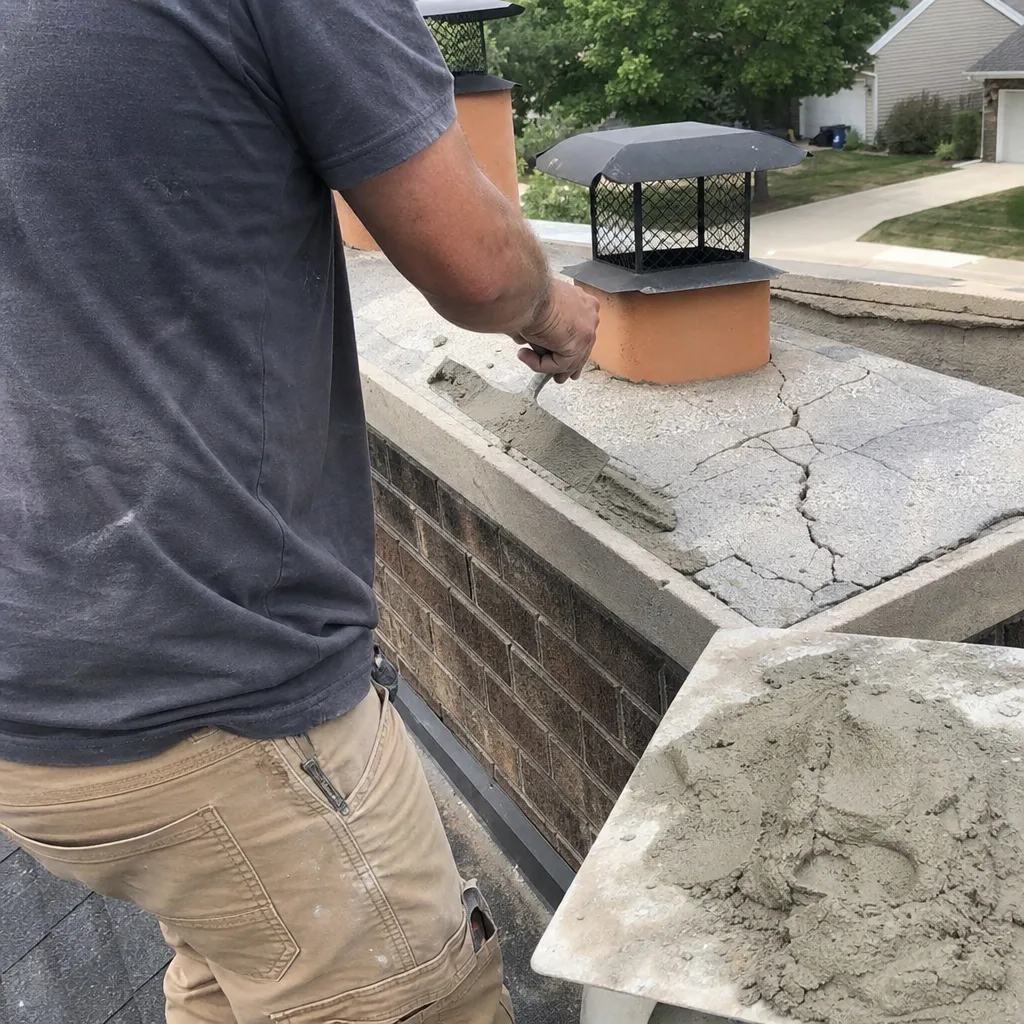
The most important question you can ask a chimney contractor isn’t about price or scheduling. It’s this: “Will you photograph my flue before you clean it, and will I receive those photos?”
A contractor who won’t document pre-cleaning condition cannot prove what they found, cannot prove what they did, and cannot support any recommendation for additional work. You are expected to trust their verbal report about cracks, gaps, or deterioration you cannot see.
This is unacceptable for three reasons specific to chimney work:
- Hidden hazards: Most of your flue is inaccessible without a camera. A cracked clay tile liner, deteriorated mortar joints, or gaps between liner sections are invisible from the firebox or roof. Only a camera scan reveals them.
- Disputed recommendations: A contractor recommends a $3,500 liner replacement. Without pre-cleaning photos showing the damage, you have no basis to evaluate whether the work is necessary, whether it can wait, or whether a second opinion is warranted.
- Proof of service: If a chimney fire occurs after cleaning, pre- and post-cleaning photos demonstrate whether creosote was properly removed. This matters for insurance claims and liability.
The Haven Standard addressed this in 2009 by making documented photo records Clause 4: mandatory, not optional, on every job. When we inspect a chimney in the River Run neighborhood or a historic home near Naper Boulevard, the customer receives dated photos of liner condition, smoke chamber profile, and firebox integrity before any cleaning begins. If we recommend a Fireplace Services in Naperville repair or liner replacement, the photos support the recommendation. If the system is sound, the photos prove it.
Ask your contractor: “What documentation do I receive, and when?” The answer should be specific - “Photos and camera footage within 24 hours via email or customer portal” - not “we’ll leave you a report” or “the technician will tell you what he saw.”
Naperville-Specific Factors That Affect Your Chimney
Chimney condition varies by climate, construction era, and fuel type. Naperville presents specific patterns that inform what you should ask and expect from inspection.
Freeze-Thaw Damage
Naperville’s winter temperatures swing repeatedly above and below freezing, particularly in late winter. Water penetrates masonry cracks, expands when frozen, and widens the crack over cycles. This spalling - surface flaking or deeper fracturing of brick and mortar - is common on crowns and exterior chimney faces. We see it frequently on homes near the DuPage River where humidity is higher, and on north-facing exposures that thaw more slowly.
A proper inspection evaluates crown integrity, mortar joint condition, and whether a waterproofing treatment is appropriate. Browse more guides & resources on chimney maintenance and homeowner protection. Generic “your chimney needs work” without specifying spalling location and severity is insufficient.
Clay Tile Liner Aging
Homes built before 1990 in neighborhoods like East Highlands, Highlands, and the Historic District typically have uninsulated clay tile liners. These liners crack from thermal shock - rapid temperature change when a cold flue receives a hot fire - and deteriorate faster with gas appliance condensation if the chimney was converted without proper liner sizing. Camera inspection reveals tile shifting, mortar loss between tiles, and exposed brick that combustion gases can penetrate.
Gas Conversion Complications
Many Naperville homeowners converted wood fireplaces to gas inserts between 2010 and 2020. These conversions require proper liner sizing for lower-temperature gas exhaust. An oversized flue for a gas insert causes condensation, accelerated liner deterioration, and potential carbon monoxide leakage. Inspection should verify liner diameter matches appliance specifications per NFPA 54.
Local Fuel Patterns
Naperville’s mature tree canopy in older neighborhoods supports significant wood-burning, while newer construction in south Naperville leans toward gas. Wood-burning systems require annual sweeping for creosote management; gas systems need inspection for condensation damage and debris blockage from animal nesting. Your contractor should ask what you burn and adjust inspection focus accordingly, not apply a one-size-fits-all protocol.
Red Flags: Answers That Should Disqualify a Contractor
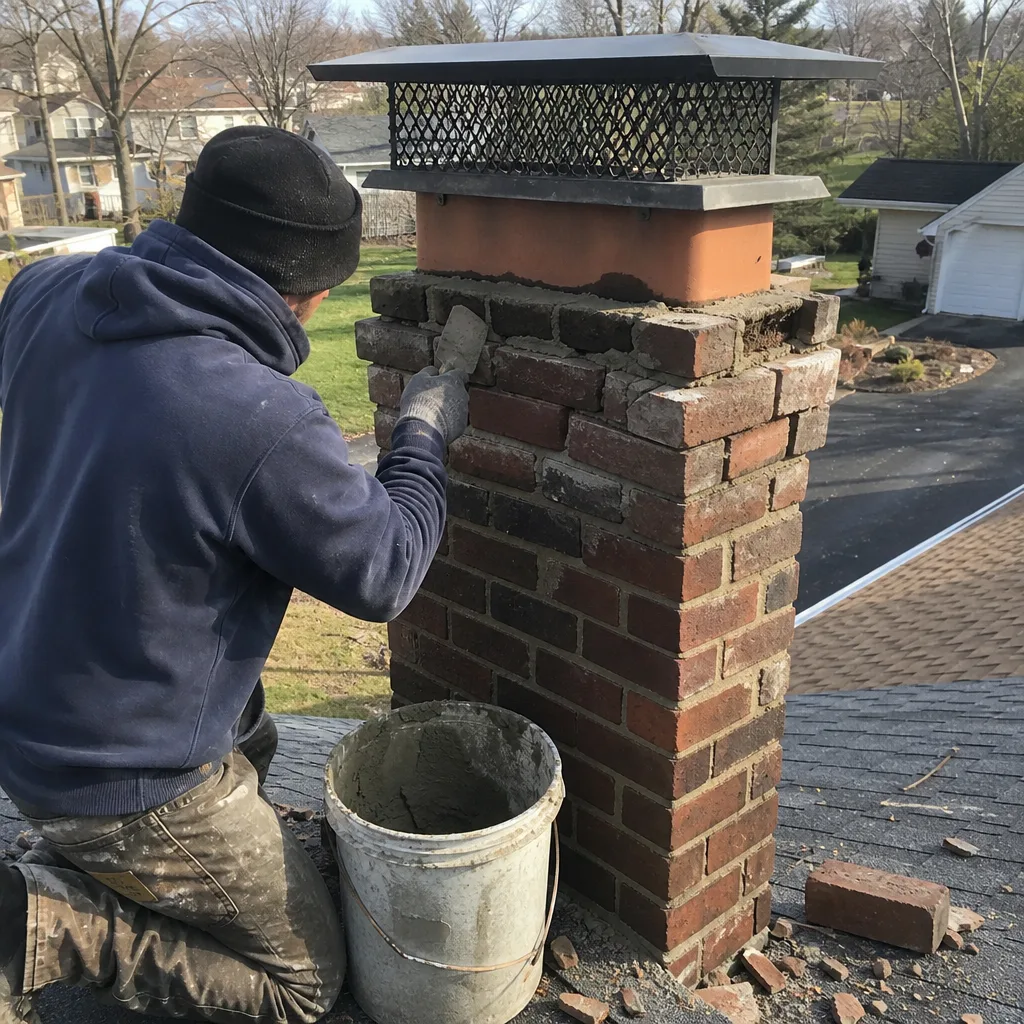
Here are the specific answers that should end your consideration of a chimney contractor in Naperville. Each represents a practice that increases your risk, cost, or both.
- “We don’t need a camera for a routine cleaning.” NFPA 211 Level 2 is the appropriate standard for any accessible chimney. A flashlight look from top or bottom misses most liner deterioration. This answer indicates either ignorance of standards or deliberate avoidance of documentation.
- “I’ll give you the price after I look at it.” This is the setup for in-home pressure selling. A qualified contractor can quote standard inspection and cleaning scope before arrival. Repairs or replacements require inspection, but the baseline service has a fixed price.
- “We’re insured, don’t worry about it.” Insurance verification takes three minutes via certificate of insurance. Refusal to provide documentation suggests lapsed, inadequate, or nonexistent coverage.
- “Permits are just a way for the city to make money.” Naperville requires permits for chimney rebuilds, liner replacements, and structural modifications. Skipping permits avoids inspection but voids warranty protection, creates resale disclosure problems, and may invalidate insurance coverage.
- “Your liner is shot, I can tell from here.” No one can evaluate liner condition without camera inspection. This statement presumes damage to sell replacement work. Always demand photo evidence of any recommended liner work.
- “We use the same brush for every flue.” Flue diameter varies (typically 6″ to 12″ for residential). Proper cleaning requires correctly sized equipment. One-size-fits-all brushing is ineffective and can damage liner surfaces.
- “I can do it cheaper if we skip the paperwork.” “Paperwork” in this context means written scope, written price, written warranty, and photo documentation. These protect you. A contractor proposing to omit them is proposing to eliminate your recourse if something goes wrong.
Common Mistakes to Avoid
- Hiring based on lowest price alone. A $99 sweep with no camera inspection and no documentation may cost significantly more when undetected liner damage leads to water infiltration, structural decay, or a chimney fire. The difference between a documented $250 service and an undocumented $150 service is $100 upfront versus potentially thousands in unverified repairs.
- Assuming annual cleaning isn’t necessary for gas. Gas appliances produce different byproducts than wood, but they still require annual inspection for condensation damage, debris blockage, and venting integrity. Naperville’s squirrel and raccoon populations frequently nest in uncapped flues regardless of fuel type.
- Accepting verbal recommendations for major repairs. Liner replacement, crown rebuild, and masonry repointing are significant investments. Without photo documentation and a second written opinion, you’re relying entirely on a single person’s unverified assessment.
- Neglecting to check neighborhood-specific experience. A contractor familiar with Naperville’s 1980s-era construction in Farmstead knows the common clay tile liner patterns and conversion issues. A contractor from outside the market may miss these patterns or quote incorrectly for local conditions.
- Waiting until fall to schedule. Naperville’s burning season runs October through March. Contractors with proper documentation standards book heavily in September and October. Scheduling in spring or summer allows thorough inspection without weather pressure, and you’ll have time to address any recommended repairs before the first fire.
- Failing to verify technician identity on arrival. Background-checked, uniformed technicians with license information displayed are standard for professional operations. A contractor who sends an unmarked vehicle and unidentified worker is not following basic security protocols.
When to Call a Professional
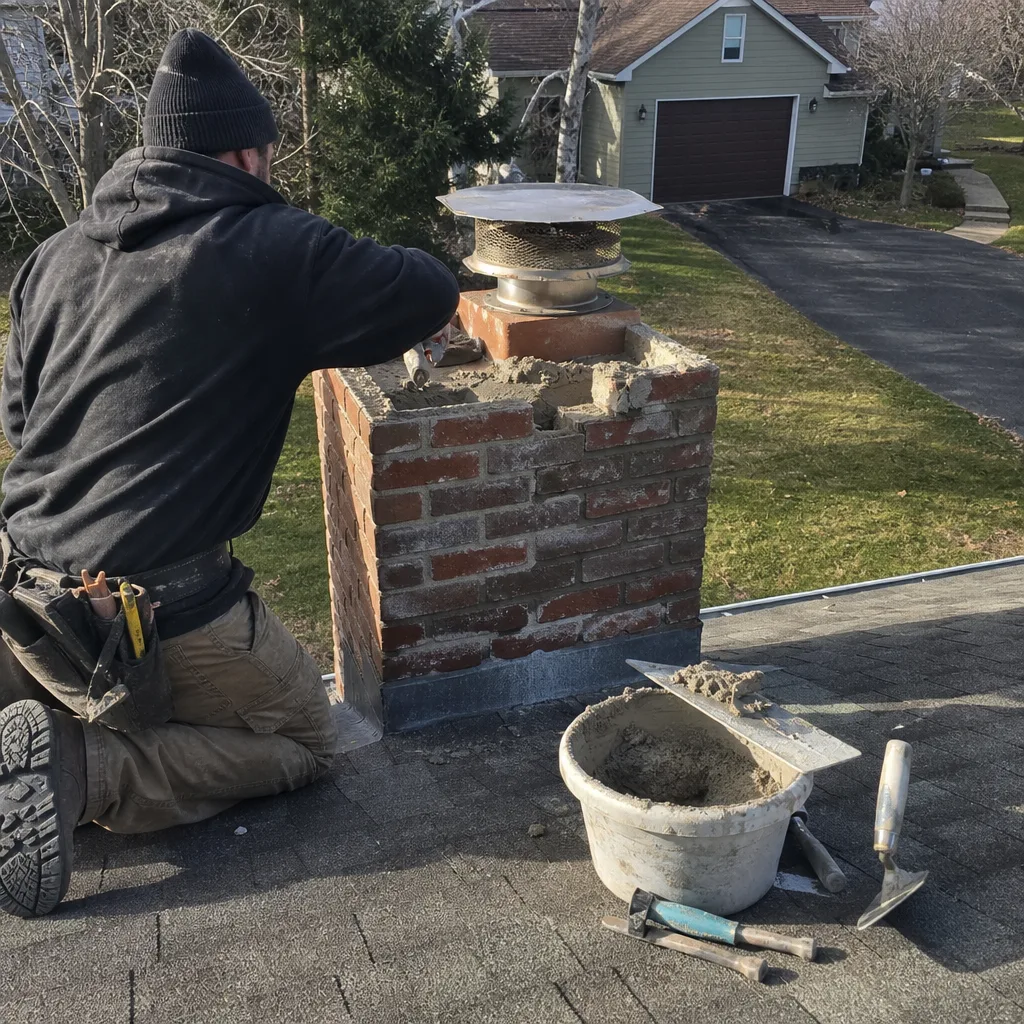
Schedule a professional chimney inspection and cleaning in Naperville when: you smell smoke or combustion odors in living spaces; you notice white staining (efflorescence) on exterior masonry indicating moisture penetration; your fire draws poorly or smoke enters the room; you’ve had a chimney fire, however minor; you’re buying or selling a home; or you’ve changed fuel types or installed a new appliance. Annual inspection is the baseline standard per NFPA 211, with sweeping frequency determined by creosote accumulation - typically annually for wood-burning systems burning more than one cord per season.
Level Two Chimney Naperville offers free estimates throughout Naperville and surrounding communities. Every estimate includes a written scope, written price, and written warranty before any work begins, backed by the 365-Day Done Right Promise. Call (331) 265-1700 to schedule, or bring us any competitor’s written quote for a free second opinion.
Frequently Asked Questions
A professional chimney sweep with NFPA 211 Level 2 camera inspection in Naperville typically ranges from $250 to $400 for a standard wood-burning fireplace flue, with gas appliance inspections generally at the lower end of that range. Prices below $200 often indicate a Level 1 flashlight-only inspection with no photo documentation. Level Two Chimney Co. delivers a written price before work starts on every job, with no “call for quote” requirement - call (331) 265-1700 for your specific estimate.
You need a new liner when camera inspection reveals cracked or shifted clay tiles, gaps between tiles allowing gas leakage, or deterioration that violates NFPA 211 clearance to combustibles. In Naperville’s older homes with original clay liners, we frequently find thermal-shock cracking that warrants stainless steel replacement, particularly after gas conversions where condensation accelerates deterioration. Never accept a liner recommendation without pre-inspection photos you can see yourself. We provide free second opinions on any competitor’s written liner estimate.
Wood-burning chimneys should be inspected annually and swept when creosote accumulation exceeds 1/8 inch, which for Naperville homeowners burning regularly through winter typically means annual sweeping. Gas appliance chimneys require annual inspection for condensation damage and blockage, though sweeping frequency is lower. The specific schedule depends on fuel type, burn volume, and wood moisture content - we assess this during camera inspection and document recommendations in your written report.
Skipped maintenance leads to three predictable outcomes: creosote accumulation increasing chimney fire risk (Class III glazed creosote ignites at approximately 1,000°F); liner deterioration allowing carbon monoxide infiltration into living spaces; and moisture penetration causing spalling, mortar decay, and structural damage that costs significantly more than preventive care. In Naperville’s freeze-thaw climate, minor crown cracks left unaddressed typically expand to require full crown rebuild within two to three winters.
A chimney sweep removes combustible deposits (creosote, soot, debris) from the flue and firebox. A chimney inspection evaluates structural condition, liner integrity, clearance to combustibles, and proper appliance connection. NFPA 211 combines these in levels: Level 1 is visual inspection with cleaning as needed; Level 2 adds camera scan and is appropriate for real estate transactions, after chimney fires, or before liner work; Level 3 requires demolition when hidden hazards are suspected. Professional service in Naperville should specify which level you’re receiving.
Homeowners can perform basic firebox cleaning and ash removal, but flue inspection and creosote removal from the full flue length requires proper equipment and training. Class III glazed creosote requires rotary mechanical removal or chemical treatment - improper handling can damage liner surfaces or leave hazardous deposits. More critically, without camera inspection you cannot evaluate liner condition or detect carbon monoxide leakage risks. For safety-critical systems venting combustion gases through your home, professional evaluation is the appropriate standard. Level Two Chimney Co. provides written documentation of every inspection so you understand your system’s condition whether or not immediate cleaning is required.
The Bottom Line
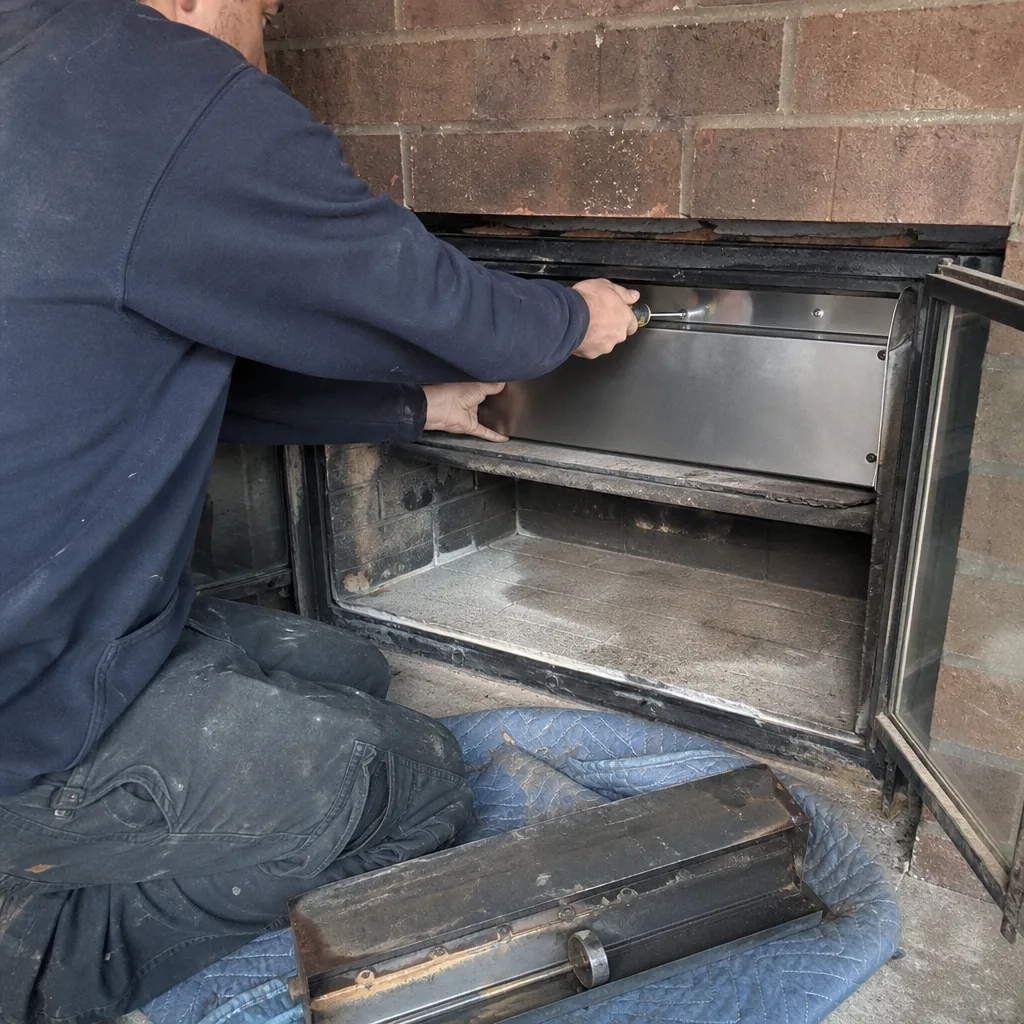
Hiring a chimney contractor in Naperville comes down to documentation: written scope, written price, written warranty, and photographic evidence of what was found. Illinois’s lack of licensing means these written standards are your only protection against incomplete work, undocumented damage, and pressure selling. Use the five-question script, verify insurance with a certificate, demand camera inspection with photo records, and never accept verbal recommendations for major repairs. The contractors who welcome this scrutiny are the ones with nothing to hide. Those who resist it are telling you exactly who they are.
Written by Corrine Halstead, Owner at Level Two Chimney Naperville, serving Naperville since 2009.