
Last updated September 22, 2026
Level 1 sweep and inspection to the NFPA 211 annual standard - flue, crown, cap, and flashing checked and photographed
Chimney sweep logs do not sweep chimneys. They loosen some creosote - which then falls where a brush and vacuum still have to collect it.
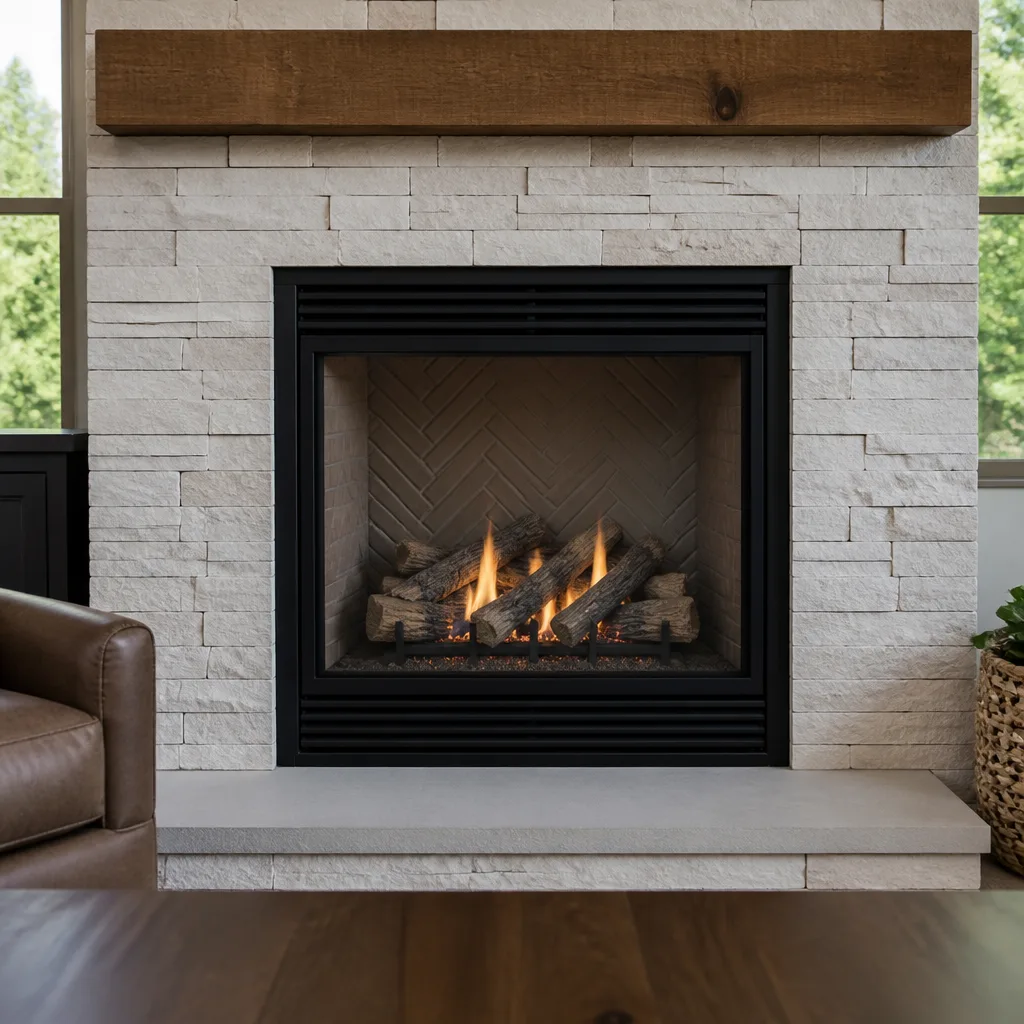
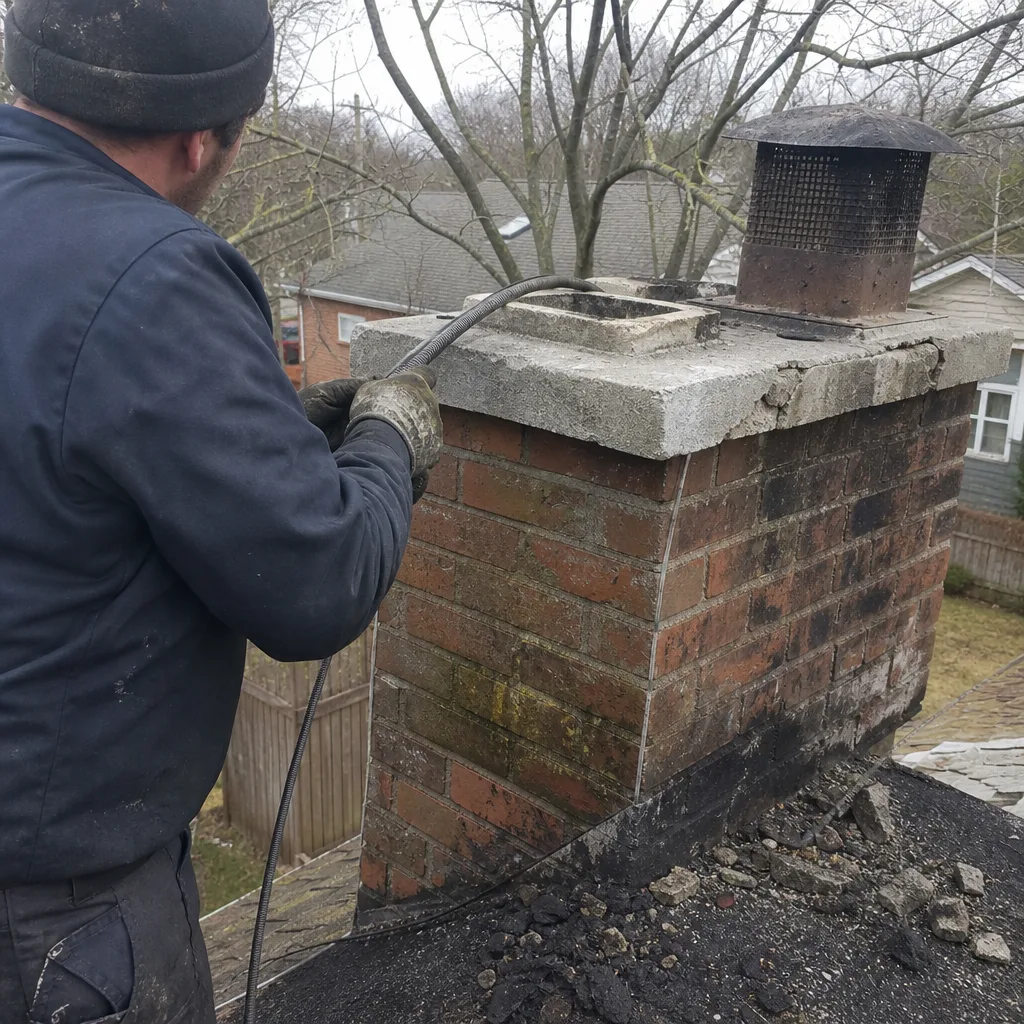 Before
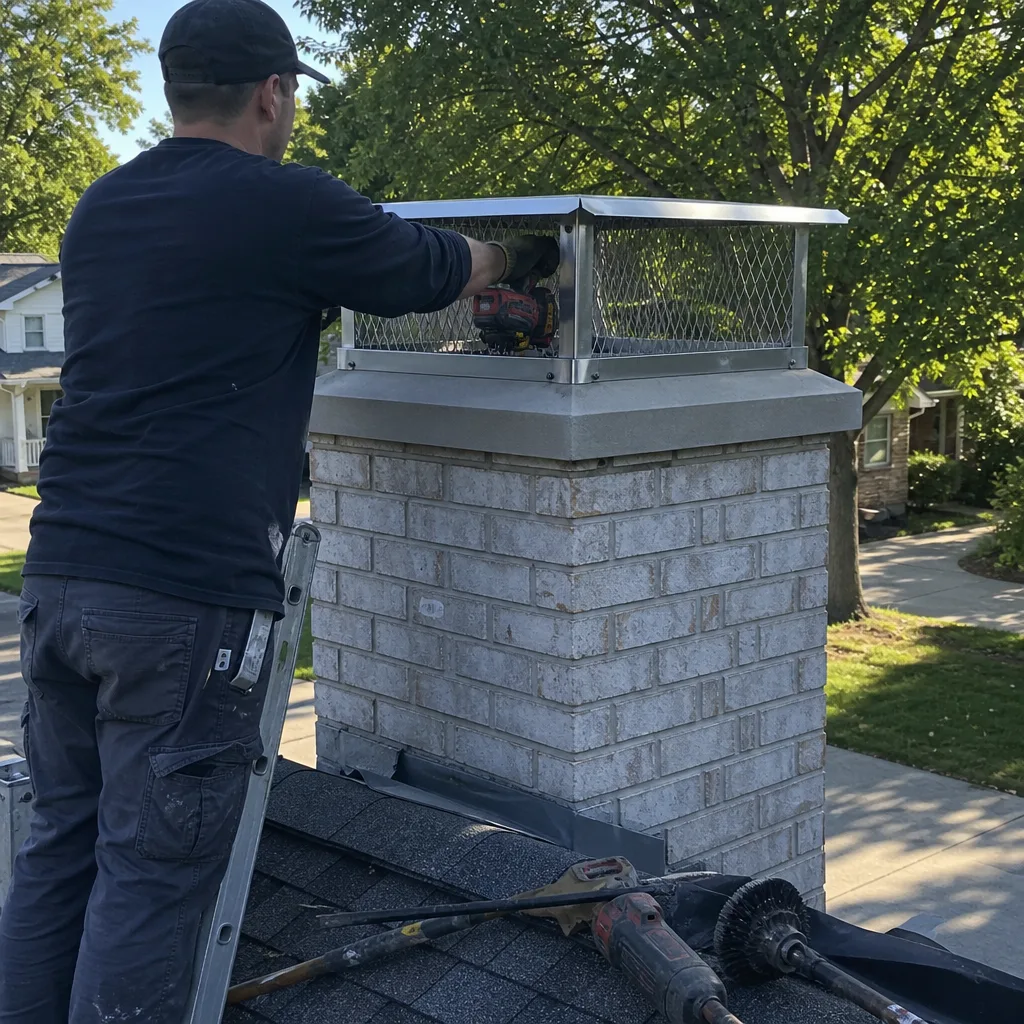 After
After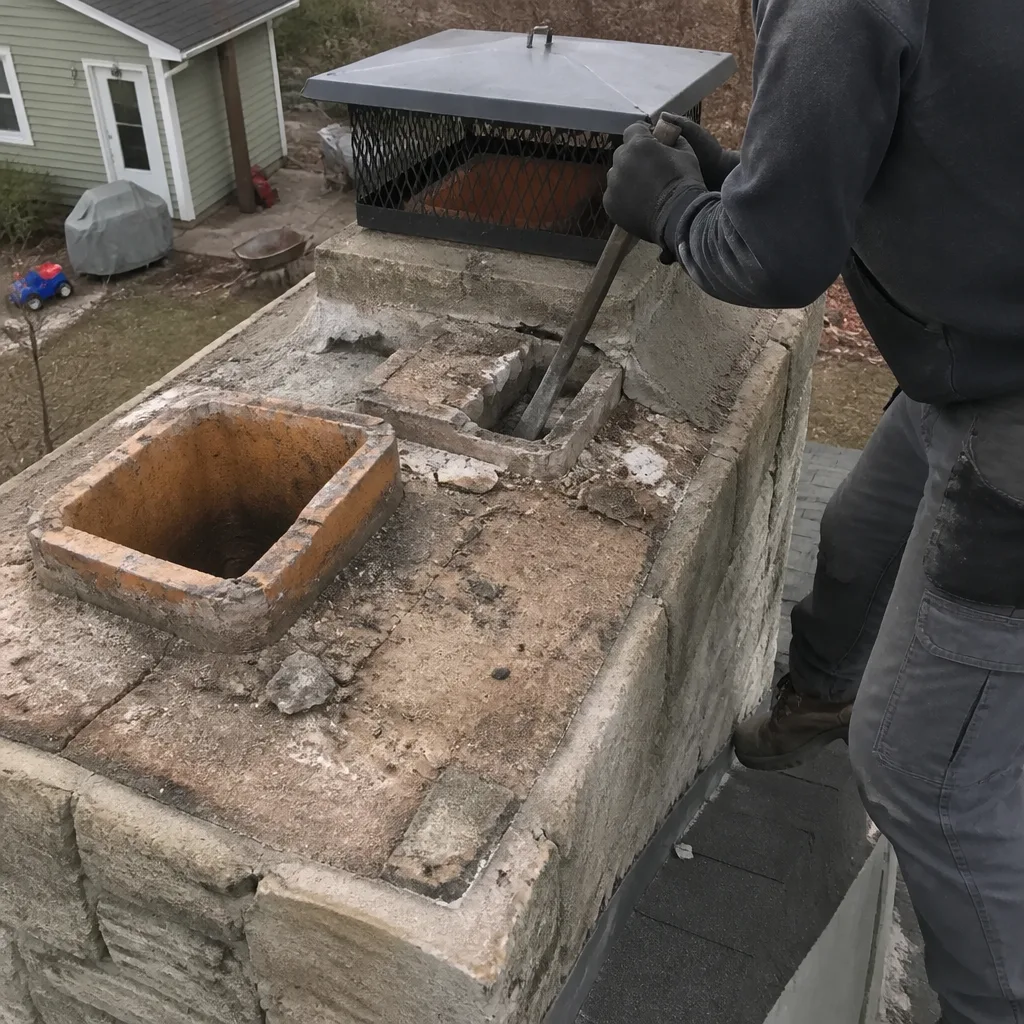 Before
 After
After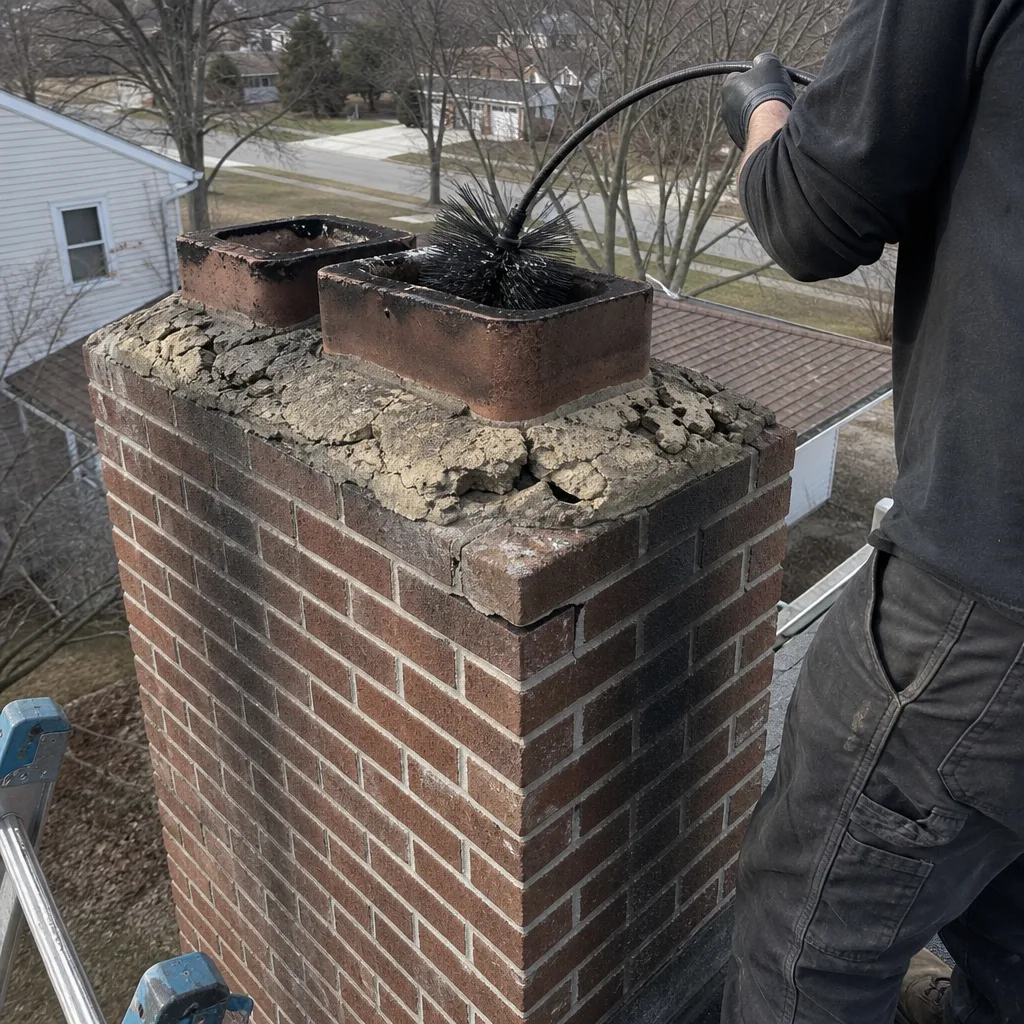 Before
 After
AfterThe Complete Guide to Chimney Cleaning in Naperville
The NFPA reports that 27% of home heating fires originate in chimneys, flues, or connectors - yet most “chimney cleaning” appointments in Naperville never document what was found before the truck leaves. Homeowners pay for a sweep, get a verbal “looks good,” and receive nothing they can show an insurer, home inspector, or buyer. In this guide, we’ll map your chimney’s five distinct zones from firebox floor to crown cap, explain what accumulates in each and how it’s properly addressed, and give you a written record checklist so you know exactly what documentation to demand before any technician leaves your driveway. For seasonal chimney cleaning care in Naperville, timing your service right can prevent the freeze-thaw damage we see every spring.
Quick Answer
Hiring the right chimney cleaning contractor in Naperville starts with understanding that professional service typically costs $199-$349 for a standard sweep with NFPA 211 Level 2 camera inspection, and should be performed annually for wood-burning systems, every two years for gas, and immediately after any chimney fire or visible smoke backup. A legitimate cleaning includes a documented photo record of flue condition before and after work, a written scope and price agreed before tools touch your system, and a stamped warranty on completion. Anything less leaves you without proof of what was - or wasn’t - done.
Table of Contents
- The Five Zones of Your Chimney: What Builds Up Where
- Why Camera-First Documentation Changes Everything
- Naperville Fuel Types: Gas Logs, Wood, and Inserts
- Level 1 vs. Level 2 vs. Level 3 Inspections
- What Happens During a Professional Chimney Cleaning
- Chimney Cleaning Costs in Naperville
- The Written Record Checklist
- How Often Should You Clean Your Chimney in Naperville?
 Before
 After
AfterThe Five Zones of Your Chimney: What Builds Up Where
Most homeowners picture chimney cleaning as one indiscriminate brushing from top to bottom. The reality is more specific, and understanding the five zones explains why pricing varies and why documentation matters.
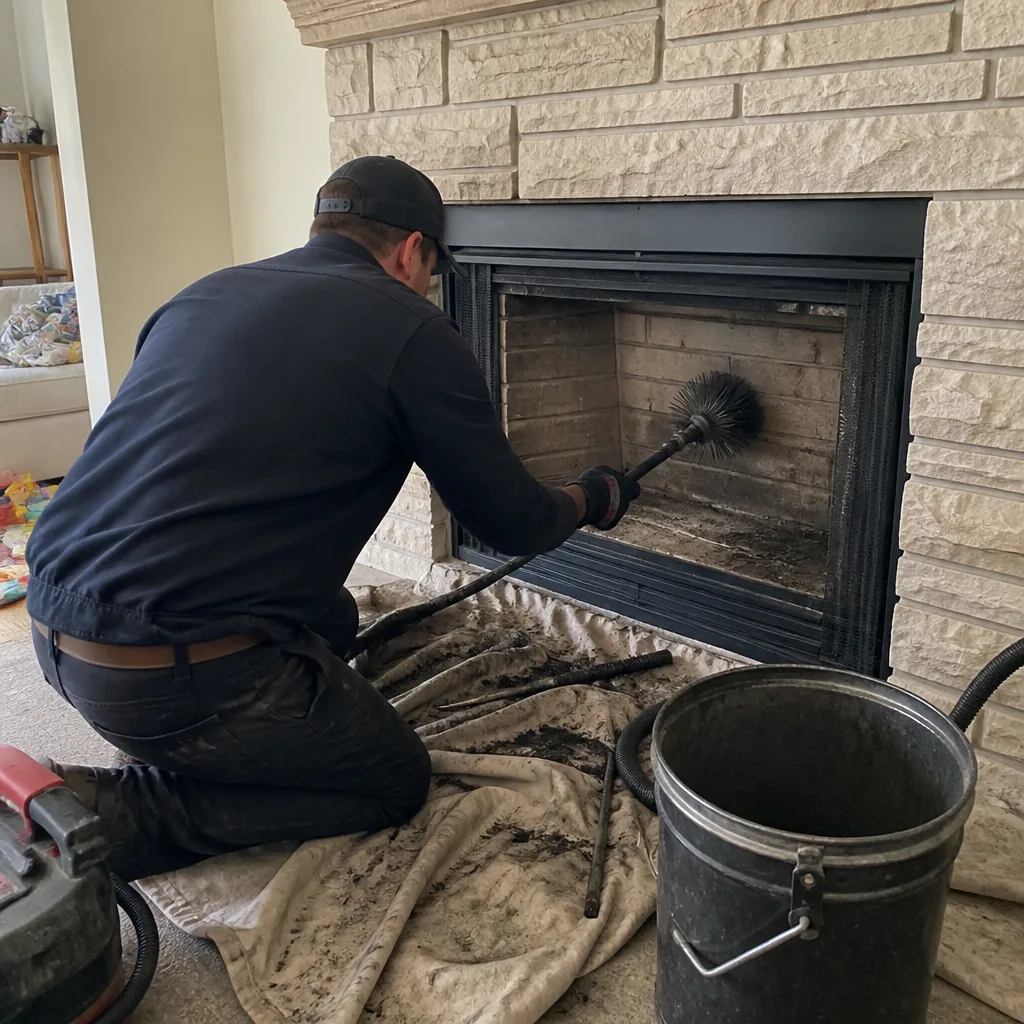
Zone 1: The Firebox Floor and Walls
This is where combustion happens. Ash accumulates in layers that can exceed safe depth, and the refractory panels (the heat-resistant brick or prefabricated walls) develop cracks from thermal cycling. In Naperville’s freeze-thaw climate, moisture intrusion accelerates panel deterioration. We remove ash to NFPA-specified depth, inspect panels for gaping or spalling (surface flaking), and note whether replacement is needed. A cracked firebox panel is not a cosmetic issue; it allows heat transfer to combustible framing.
Zone 2: The Smoke Chamber
The smoke chamber is the inverted funnel above the firebox that channels smoke into the flue. It’s the most neglected zone in chimney maintenance because it’s inaccessible from below without proper equipment and invisible from above without a camera. Creosote builds here in rough, parged surfaces, and corbelling (stepped brickwork) creates ledges where deposits accumulate. The NFPA 211 requires smoke chamber walls to be “parged smooth” - meaning a smooth, sloped surface that directs flow upward. We inspect with a camera on an articulating head, measure wall smoothness, and recommend parging when corbelling exceeds code limits. In our experience across Naperville’s 1980s-2000s housing stock, smoke chamber defects are present in roughly one-third of homes we enter and rarely identified in Level 1 inspections.
Zone 3: The Flue Liner
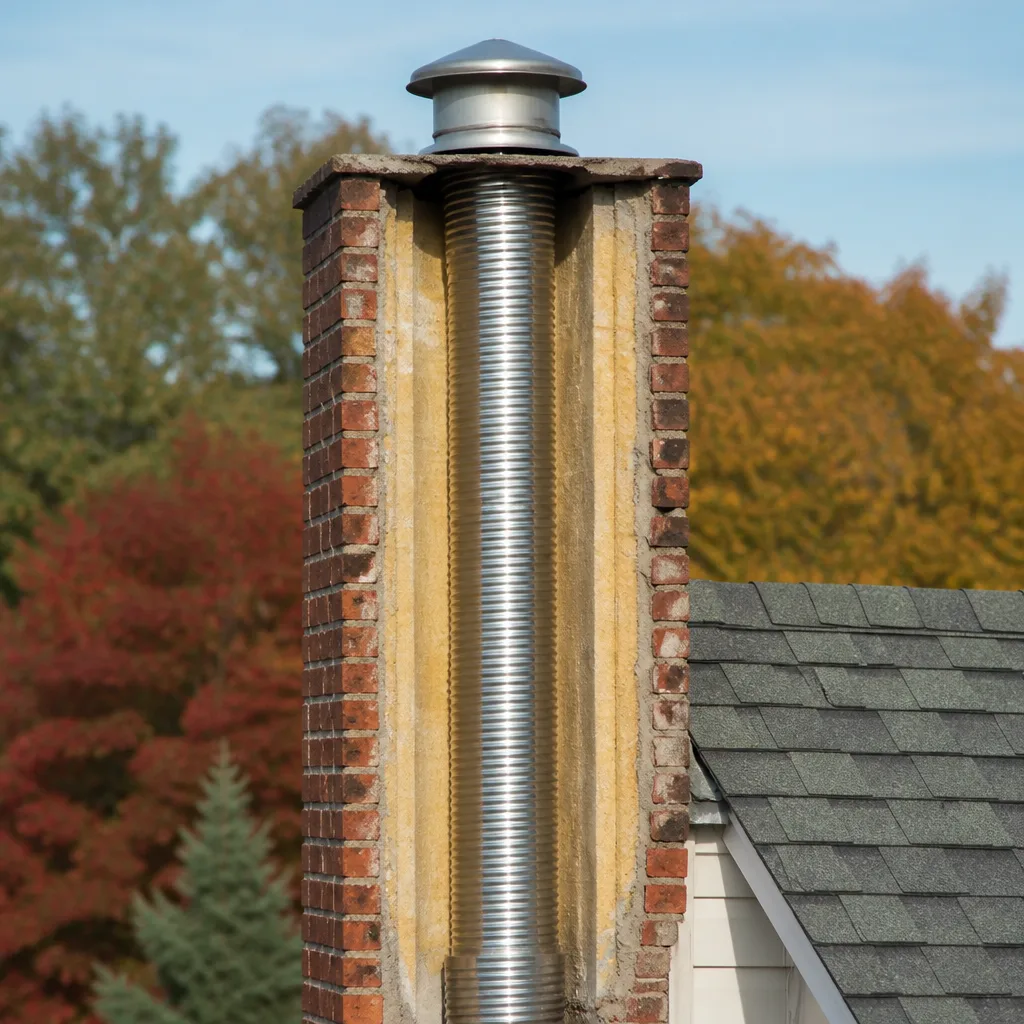
The liner is the protective sleeve - clay tile, stainless steel, or cast-in-place - that contains combustion byproducts and protects masonry from corrosive condensation. Clay tile liners in Naperville’s older homes (pre-1990 construction is common in neighborhoods near downtown and East Highlands) develop vertical cracks from thermal shock or settlement. Stainless steel liners, often retrofitted in gas conversions, show seam separation or corrosion at the collar. We camera-scan the full liner length, classify creosote accumulation by type (glazed, granular, or powdery), and document liner integrity frame by frame. Class III glazed creosote, a hardened tar-like deposit, cannot be removed by brushing alone and requires chemical treatment or mechanical removal with specialized chains.
Zone 4: The Upper Flue and Smoke Shelf
Above the main flue run, the upper section intersects with the smoke shelf - a horizontal ledge behind the damper that catches debris and rain. Birds, squirrels, and raccoons access this area in Naperville’s mature-tree neighborhoods like Cress Creek and Hobson West, nesting in the warm cavity. We remove nests, debris, and accumulated soot from the smoke shelf, inspect the damper mechanism for proper seal and operation, and verify the flue terminates correctly at the chimney top. A stuck or rusted damper costs you heated air every winter; a blocked upper flue sends carbon monoxide back into living space.
Zone 5: The Crown, Cap, and Flashing
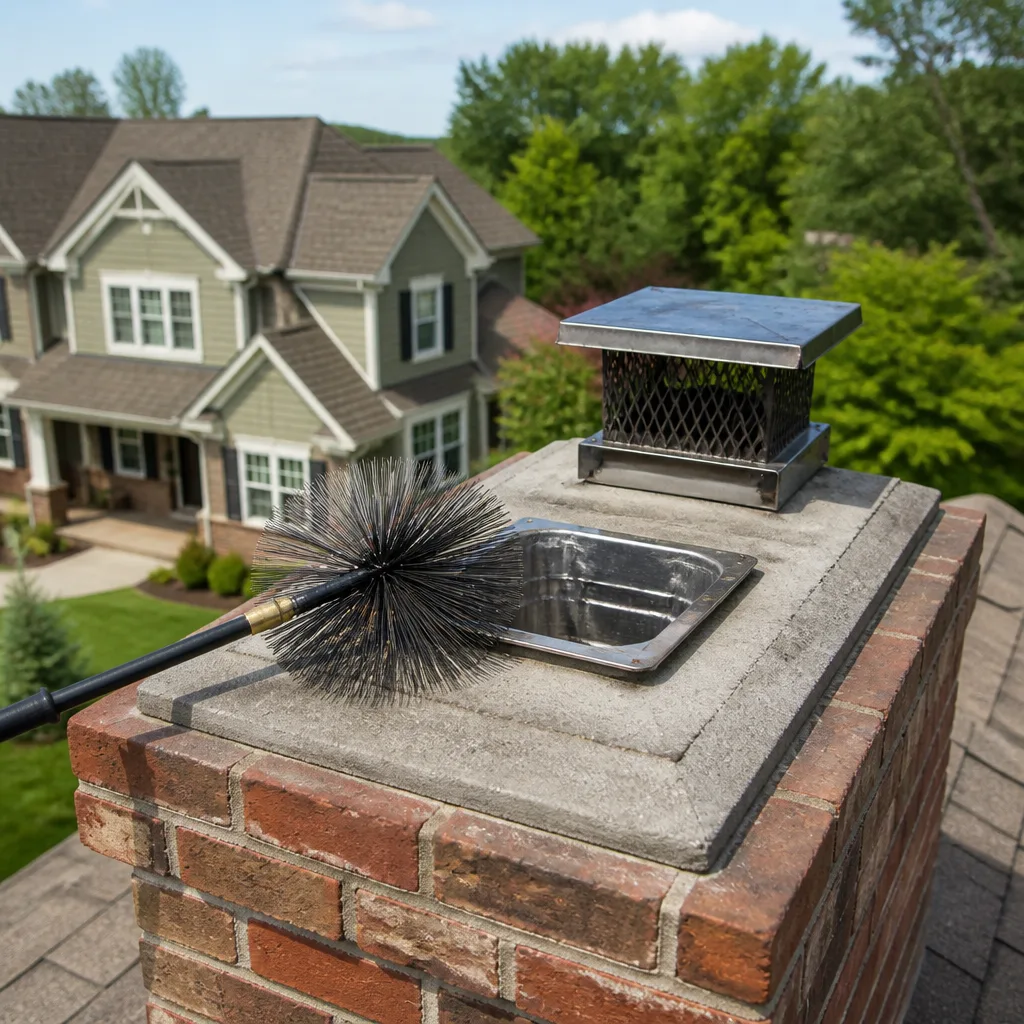
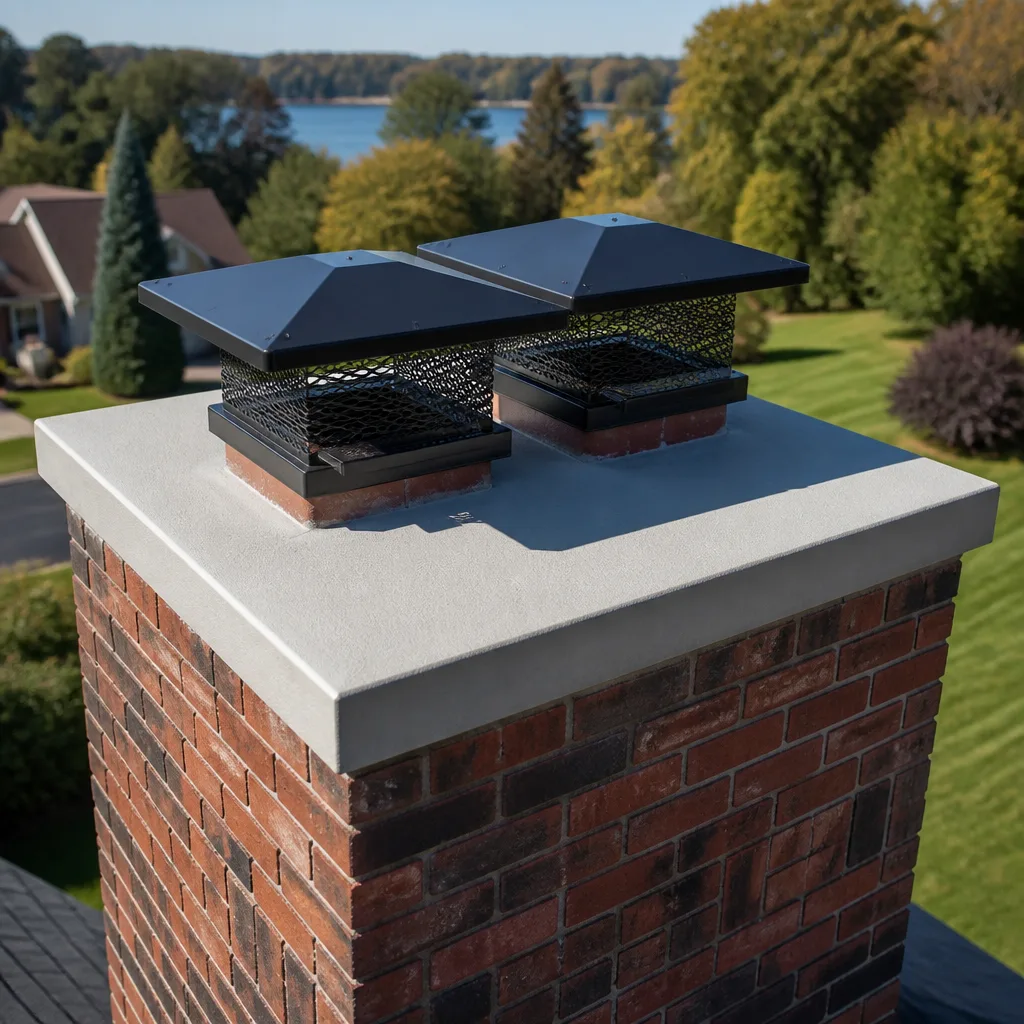
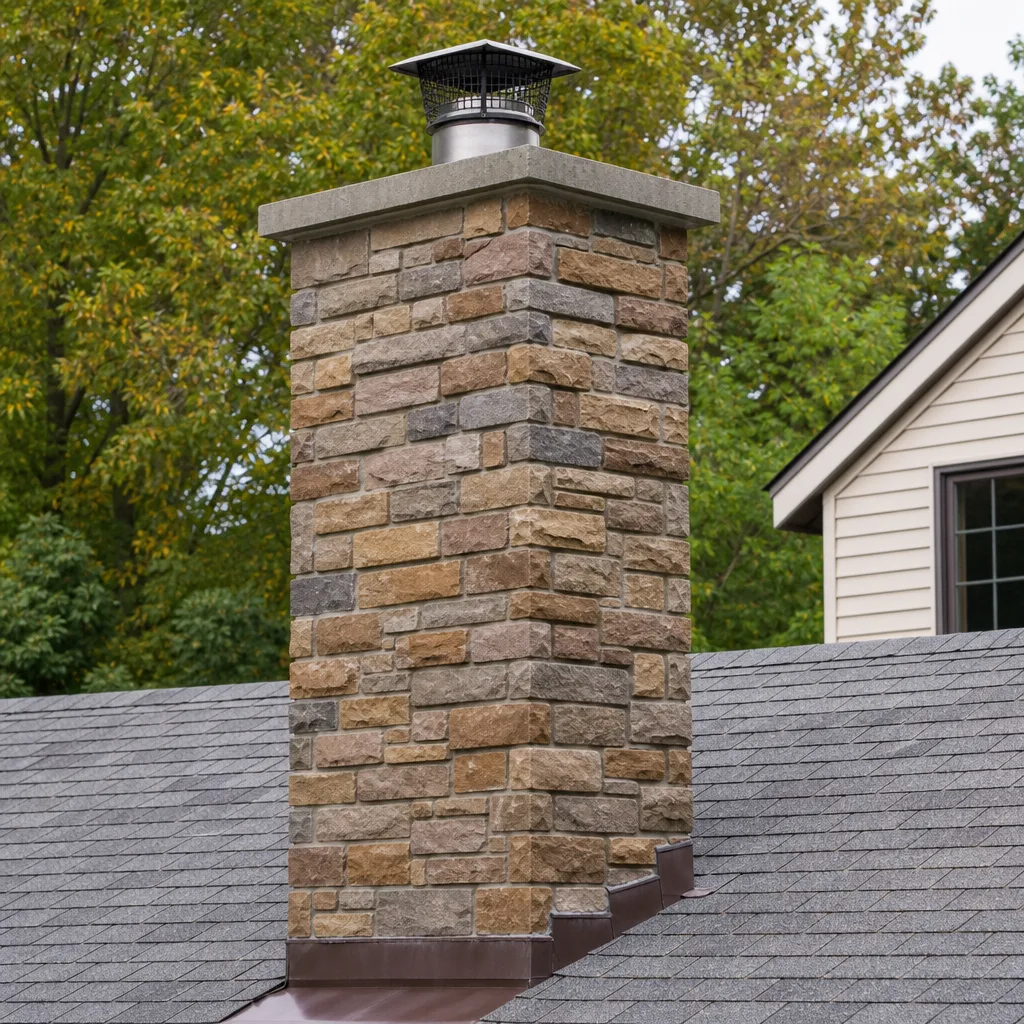
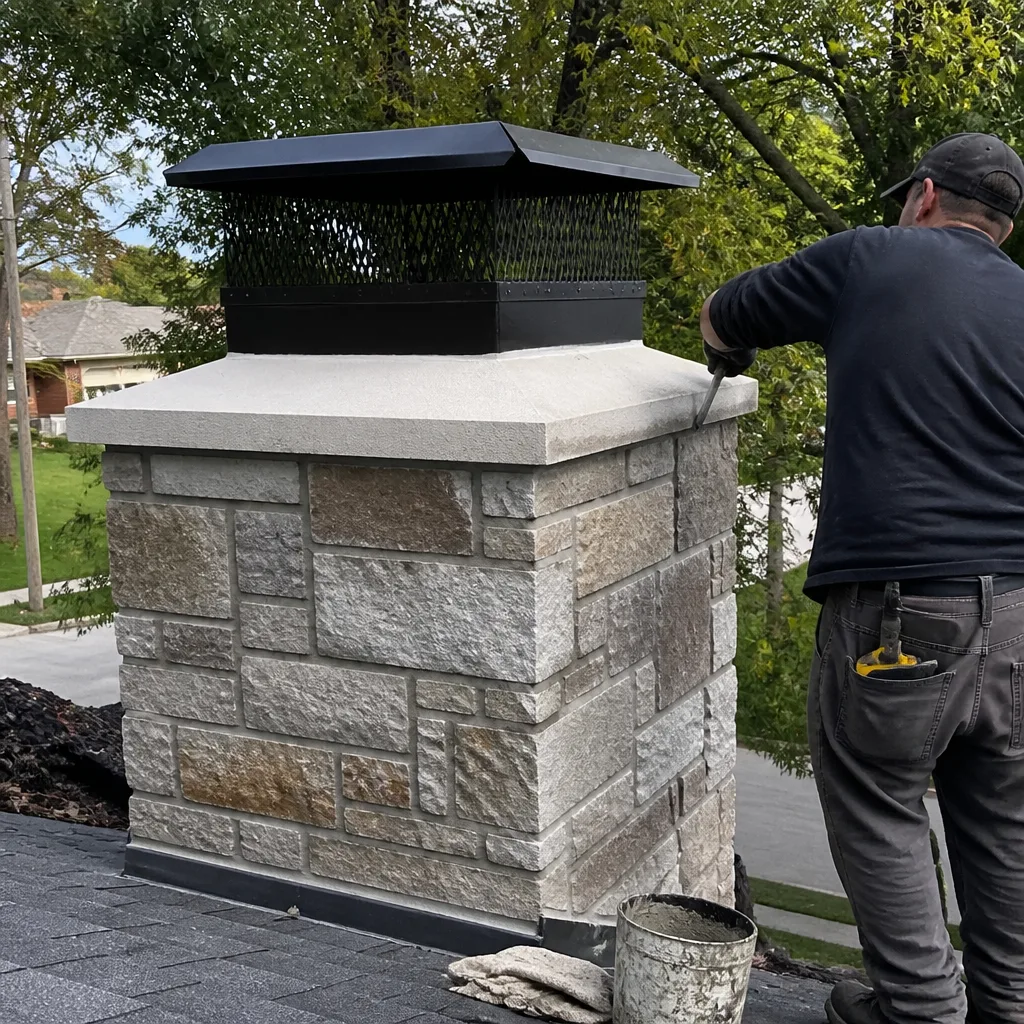
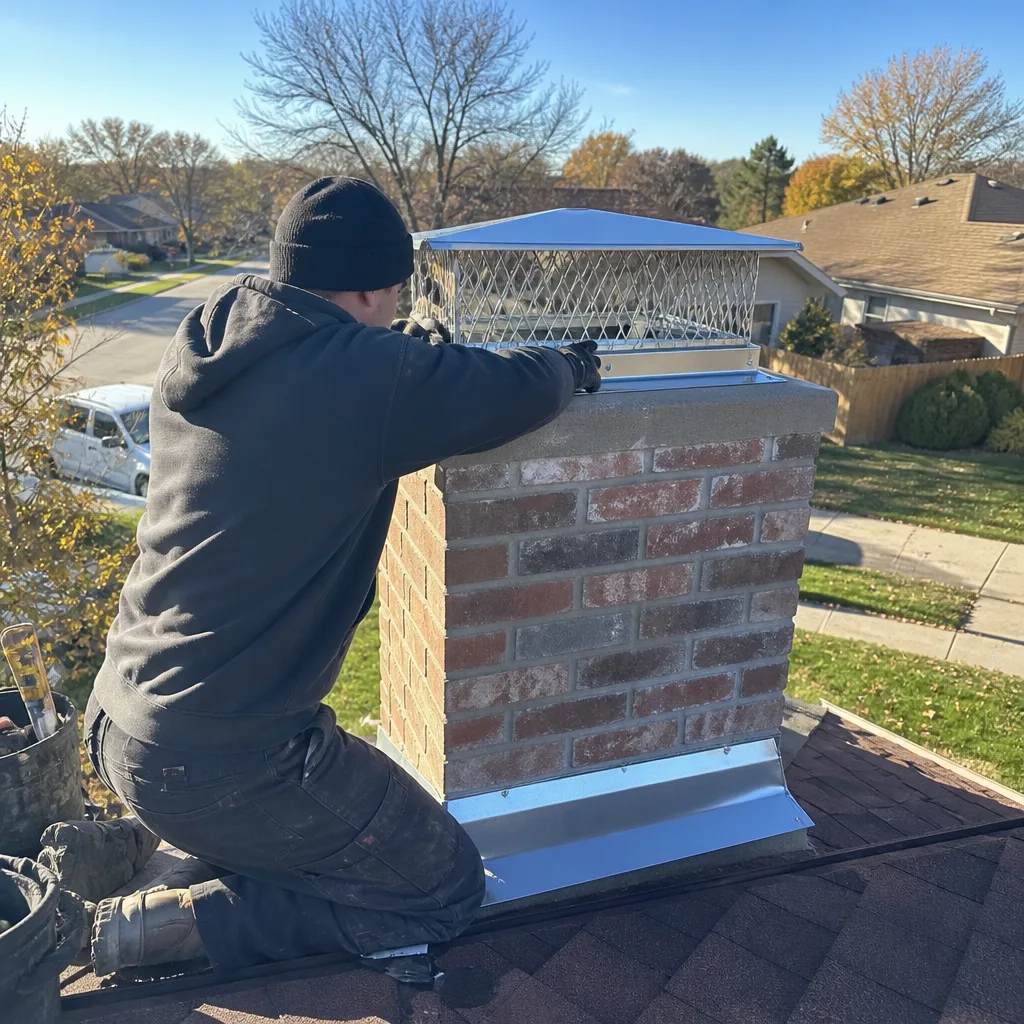
The crown is the concrete or mortar slab that sheds water from the chimney top. The cap is the metal cover with mesh sides that excludes animals while allowing exhaust. Flashing is the metal intersection where chimney meets roof. In Naperville, crown deterioration from freeze-thaw cycling is among the most expensive deferred maintenance items we encounter. A cracked crown allows water into the chimney structure, causing liner damage, rusted dampers, and interior wall staining. We photograph crown condition, measure crack width, and distinguish between sealable hairline cracks and structural failure requiring rebuild. Cap mesh must be intact - missing or corroded mesh invites animal entry and creates blockage risk.
Why Camera-First Documentation Changes Everything

In 2009, before regulators or insurers required it, we made camera-scan documentation the default on every job. That practice became Clause 4 of the Haven Standard. Here’s why it matters more than the cleaning itself.
A chimney flue is a vertical shaft, often 15-25 feet, with no natural light and no casual viewing angle. A flashlight inspection from top or bottom reveals perhaps 10% of surface area. A camera on a flexible rod, with LED illumination and 90-degree articulation, reveals 100% and records it.
The camera establishes baseline condition before any brushing occurs. This protects both parties. If your liner has a pre-existing crack, we document it before our tools touch it, so there’s no dispute about causation. If your system is clean and sound, you have timestamped proof for your insurance file or home sale disclosure. Without this baseline, a “cleaning only” appointment leaves you with no evidence of what was found, what was done, or what condition your chimney was in when the truck arrived.
We’ve reviewed competitor estimates brought in for our Free Second Opinion service - estimates recommending $3,000-$8,000 in liner or masonry work, with no photos, no written scope, and no explanation of why the work is urgent. Clause 4 exists because we watched homeowners pay for fear, not evidence.
Our camera record includes: date and time stamp, technician identification, full-length liner scan from firebox to crown, close-up frames of any defect with measurement reference, and post-cleaning verification scan. You receive this as a digital file, stored in our archive and available to you at any time. Since 2009, we’ve maintained this record for every one of the 38,000+ chimneys we’ve inspected and cleaned.
Naperville Fuel Types: Gas Logs, Wood, and Inserts
Naperville’s housing market spans 19th-century Victorians near the river, 1970s split-levels in Ranchview, and new construction in southwest subdivisions. Fuel choices vary by era and retrofit history, and each produces distinct cleaning requirements.
Wood-Burning Fireplaces and Stoves
Wood combustion produces creosote, a tar-like condensate of unburned hydrocarbons. Creosote accumulation rate depends on wood moisture content, burn temperature, and flue design. Naperville homeowners who burn improperly seasoned wood (above 20% moisture) or who damper-down for overnight burns build creosote rapidly. We see the heaviest accumulation in homes with exterior chimneys on north-facing walls, where cold flue surfaces accelerate condensation. Annual cleaning is mandatory for active wood-burning systems, and mid-season inspection is warranted if you notice reduced draft, visible smoke spillage, or a tar-like odor.
Gas Logs in Existing Wood Fireplaces
Gas logs produce minimal particulate but generate acidic condensation, particularly in oversized flues designed for wood. The clay tile liner in your 1985 fireplace was sized for 1,200°F wood exhaust, not 300°F gas exhaust. That temperature differential causes water vapor to condense on liner walls, carrying sulfuric acid that degrades mortar joints. Gas log systems require inspection every two years, with camera verification of liner condition and measurement of flue size relative to appliance BTU rating. We frequently find deteriorated mortar in gas-converted systems that have never been inspected because “gas doesn’t need cleaning.”
Direct-Vent Gas Inserts
Inserts with sealed combustion chambers and co-linear venting (two small pipes, one exhaust, one intake) operate independently of the existing chimney flue. The chimney becomes a chase - a structural shell - and cleaning requirements shift to the insert’s vent termination and the chase interior for moisture or debris. We inspect the termination cap for obstruction, verify proper clearances to combustibles, and camera the chase if water intrusion is suspected. Naperville’s mature neighborhoods with mature oaks and maples see frequent cap clogging from leaf debris and helicopter seeds.
Pellet Stoves
Pellet systems require specialized cleaning of the burn pot, heat exchanger, and vent pipe per manufacturer schedule, typically monthly during heating season. The chimney connection is a smaller-diameter vent, often 3-4 inches, that clogs with fly ash if neglected. We service pellet venting as part of our Fireplace Services in Naperville and recommend manufacturer-certified maintenance for the appliance itself.
Level 1 vs. Level 2 vs. Level 3 Inspections
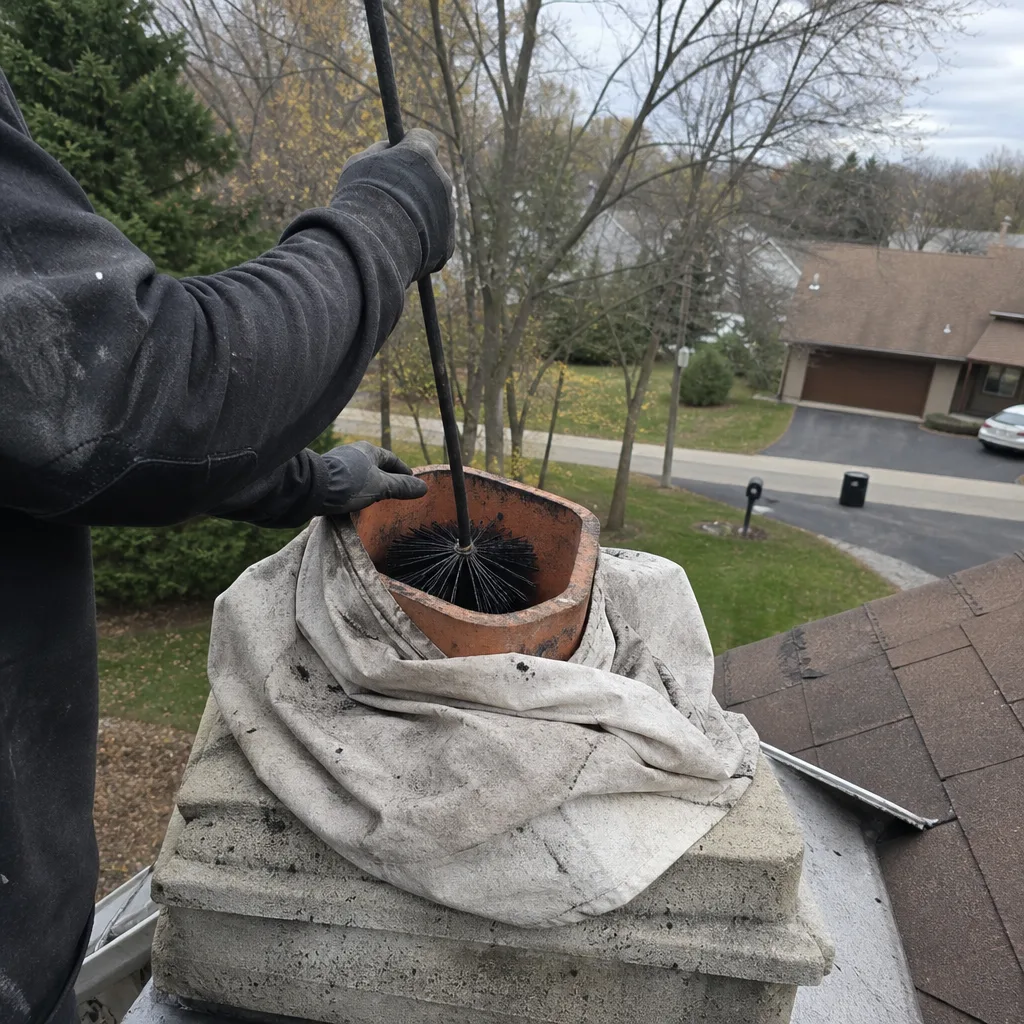
The NFPA 211 defines three inspection levels, and understanding the distinction protects you from paying for inadequate scope or unnecessary demolition.
Level 1 Inspection: The Flashlight Look
A Level 1 is a visual examination of readily accessible portions of the chimney exterior, interior, and appliance connection. “Readily accessible” means no tools, no ladders beyond standard reach, no dismantling. A technician with a flashlight looks up the flue from below or peers down from above. Level 1 is appropriate only when no changes have been made to the system, no problems are suspected, and the appliance and chimney are continuing in service under the same conditions. It does not include camera inspection, does not inspect the smoke chamber in detail, and does not provide documentation suitable for real estate transaction or insurance claim.
Level 2 Inspection: Camera-Scan Documentation
Level 2 is required when a property is changing hands, after a chimney fire or weather event, when a new appliance is connected, or when any structural modification occurs. It includes all Level 1 elements plus accessible portions of the chimney exterior and interior, including attics, crawl spaces, and basements. Critically, it requires video scanning or other thorough inspection of flue liners and internal surfaces. This is our default on every job, and it is the standard that became Haven Standard Clause 4. The camera scan, photo record, and written report are included, not optional add-ons.
Level 3 Inspection: Structural Access
Level 3 is warranted when Level 1 or 2 inspection reveals a hidden hazard requiring demolition to access. This may involve removing chimney crown, interior wall sections, or other building components. Level 3 is rare - we recommend it in fewer than 2% of inspections - and is always preceded by written authorization with specific scope and price. A contractor who jumps to Level 3 without documented Level 2 justification is not following NFPA protocol.
In Naperville’s active real estate market, we perform Level 2 inspections for pre-listing disclosure, buyer due diligence, and post-purchase baseline documentation. The photo record becomes a permanent asset file, useful for insurance, warranty claims, and future sale.
What Happens During a Professional Chimney Cleaning
A proper chimney cleaning follows a sequence that protects your home, documents condition, and verifies results. Here’s how we structure every appointment under the Haven Standard.
- Arrival and setup. Our technician arrives in a marked vehicle, in uniform, with license information visible. You’ll receive a text when they’re en route. We lay protective coverings from the entry point to the work area and inspect the appliance and visible chimney exterior for obvious damage.
- Camera baseline scan. Before any brushing, we run the camera the full flue length. This establishes pre-cleaning condition, identifies obstructions or damage that would affect tool selection, and creates the dated record required by Clause 4. We narrate findings in real time if you’re present.
- Firebox and smoke chamber cleaning. Ash is removed to NFPA-specified depth (typically 1 inch at the firebox floor, or per manufacturer for inserts). Smoke chamber walls are brushed and scraped, with debris collected via HEPA vacuum. We inspect refractory panels or firebrick for gaping, spalling, or mortar loss.
- Flue cleaning with appropriate method. Standard sweeping uses polypropylene brushes sized to liner diameter, rotated on flexible rods. For glazed creosote (Class III), we apply ACS anti-creosote treatment or use mechanical chain systems that fracture the deposit without liner damage. Stainless steel liners receive nylon or brass brushes to avoid scoring.
- Smoke shelf and damper service. The smoke shelf is accessed and cleaned. The damper is removed if design permits, cleaned of soot and rust, lubricated, and tested for full open/close operation and proper seal.
- Upper flue and termination inspection. From the roof or ladder, we inspect crown, cap, and flashing condition. Cap mesh is cleared of debris. Crown cracks are measured and photographed. Flashing is checked for separation or seal failure.
- Post-cleaning camera verification. We re-run the camera to verify flue cleanliness and liner integrity after mechanical work. This “after” record is paired with the “before” scan in your documentation package.
- Written scope, price, and warranty delivery. Before departure, you receive: a written description of work performed, the photo/video record, any recommendations with priority ranking (urgent, planned, monitor), and a stamped 365-Day Done Right Promise warranty. If additional work is recommended, the written price is provided before any further work begins - Clause 1 of the Haven Standard.
Chimney Cleaning Costs in Naperville
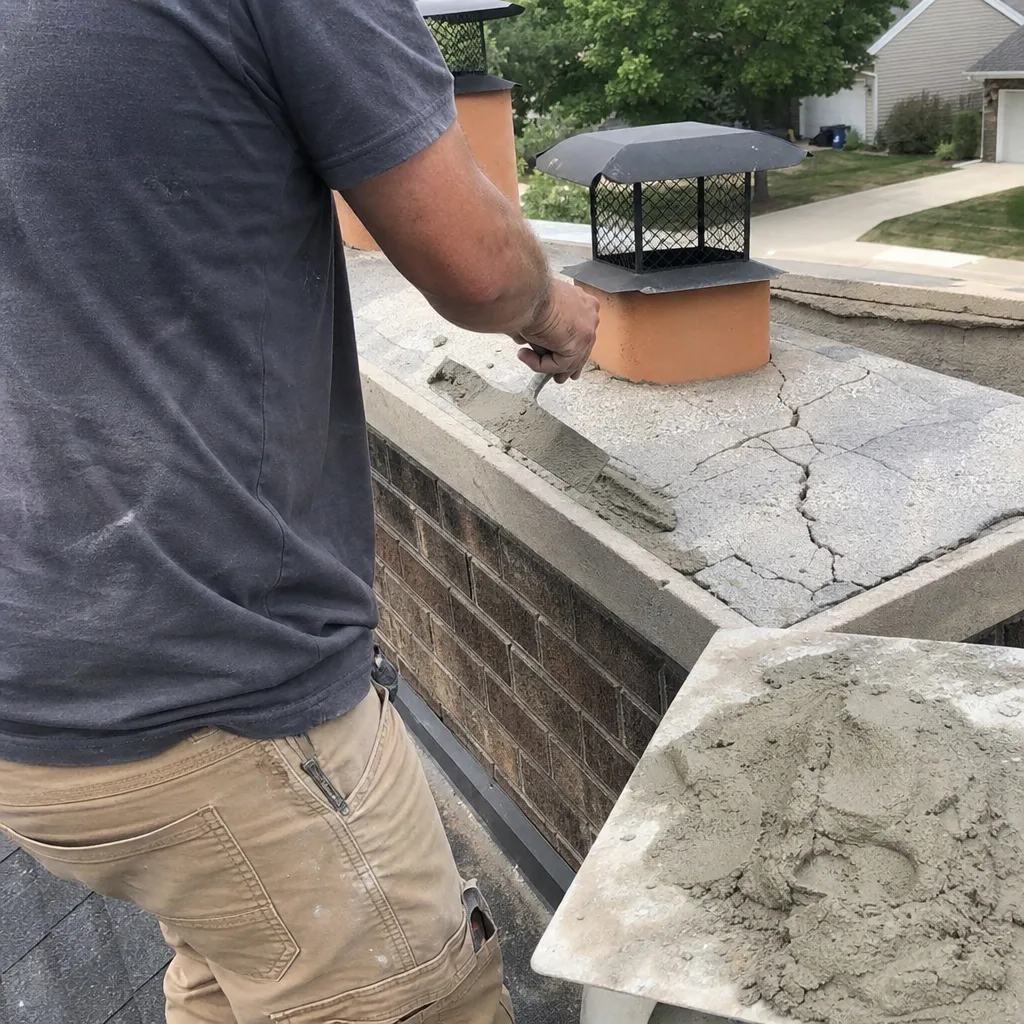
We name prices in dollars because “call for a quote” serves the contractor, not the customer. Here’s what chimney cleaning costs in the Naperville market, with the variables that move the number.
| Service | Typical Range | What’s Included |
|---|---|---|
| Standard chimney sweep with Level 2 inspection | $199-$349 | Camera scan, firebox cleaning, flue brushing, smoke shelf service, damper check, photo record, written warranty |
| Glazed creosote removal (Class III) | $150-$400 additional | Chemical treatment or mechanical chain removal, extended labor, post-treatment verification scan |
| Smoke chamber parging | $800-$2,200 | Refractory mortar application to smooth corbelled walls, camera verification of finished profile |
| Stainless steel liner installation | $2,800-$5,500 | Olympia Chimney or DuraFlex liner, proper sizing to appliance, insulation wrap where required, connection and termination |
| Crown repair or rebuild | $450-$2,800 | Sealant application for hairline cracks, or formed concrete/mortar rebuild for structural failure |
| Cap replacement | $250-$650 | Stainless steel or copper cap with mesh, proper sizing and fastening |
Factors that increase cost: multiple flues (many Naperville homes have separate fireplace and furnace flues), exterior chimney on north wall with heavy creosote, animal nest removal requiring specialized tools, and access limitations (steep roof pitch, limited ladder placement). We provide written pricing for all scenarios before work begins - no surprises, no post-work invoices.
Our Free Second Opinion on any written competitor estimate means you can verify pricing and scope against our documented assessment. Bring us another company’s written quote; we’ll review their findings against our camera record and explain any discrepancies.
The Written Record Checklist
Before any technician leaves your property, you should have documentation that answers five questions. If any item is missing, the job is incomplete.
- What did you find before you started? Dated photo or video record of flue interior, smoke chamber, firebox, and crown condition. Not a verbal summary. Not a checkbox on a carbon-copy form.
- What work was performed, specifically? Written scope naming each zone addressed, tools and methods used, and duration of service. “Chimney cleaned” is not a scope.
- What condition exists now? Post-work photo record showing clean flue, functional damper, and clear termination. Proof that the work produced the intended result.
- What requires attention in the future? Prioritized recommendations with estimated timeline: immediate (safety hazard), within 12 months (planned maintenance), monitor (observe for change). Each recommendation should reference the specific code or standard violated or the specific failure mode anticipated.
- What warranty covers this work? Written warranty with company identification, technician name or number, date, scope covered, and claim procedure. Our 365-Day Done Right Promise is stamped on every job under the Haven Standard.
We store all records in our archive, accessible to you at any time. For Chimney Cleaning & Sweep in Naperville, this documentation has supported insurance claims, resolved real estate inspection disputes, and provided warranty service without argument about what was originally found.
How Often Should You Clean Your Chimney in Naperville?
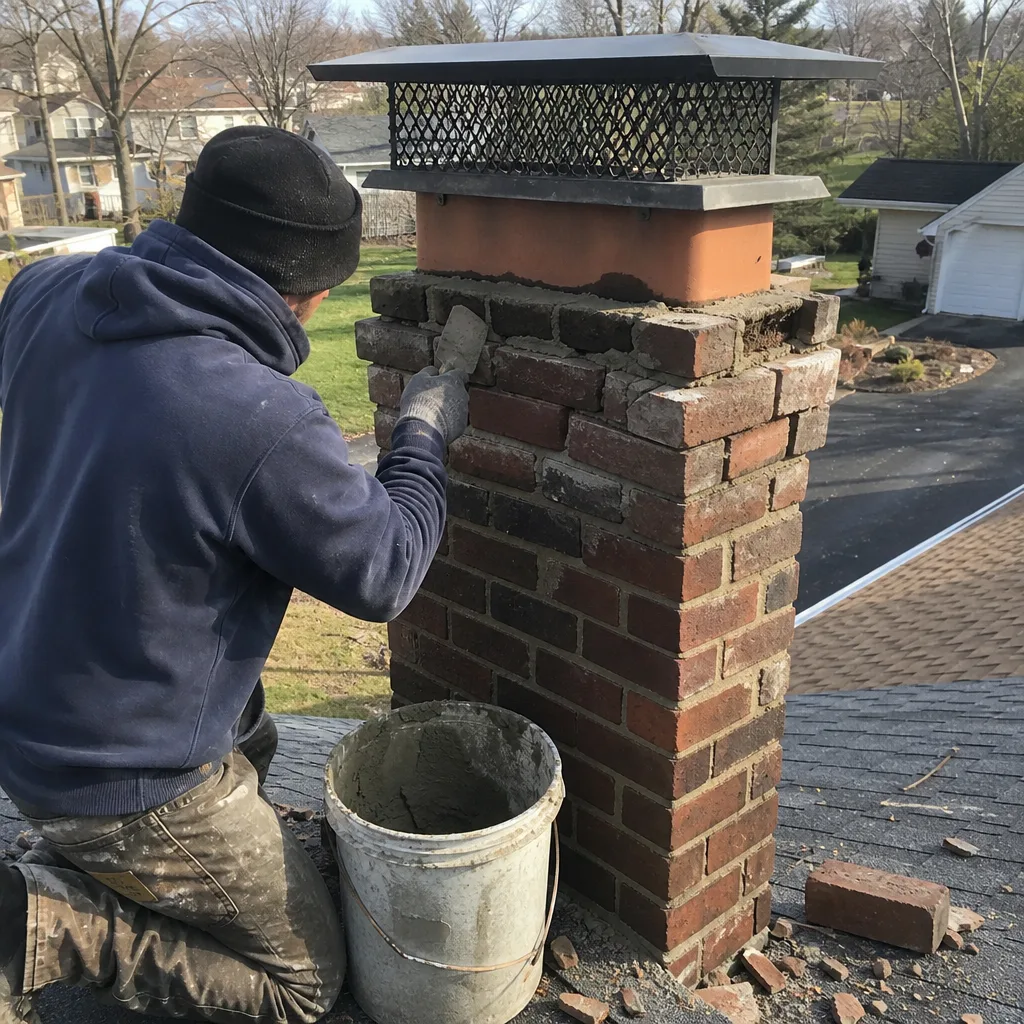
Frequency depends on fuel type, usage pattern, and local conditions specific to Naperville’s climate and housing stock.
Wood-Burning Systems
The NFPA 211 standard states: “Chimneys, fireplaces, and vents shall be inspected at least once a year for soundness, freedom from deposits, and correct clearances. Cleaning, maintenance, and repairs shall be done if necessary.” For active wood-burning systems in Naperville, we interpret this as annual cleaning minimum, with mid-season inspection if you burn more than three cords per year or notice any performance change. The combination of cold winters, frequent freeze-thaw cycles, and mature-tree canopy that limits solar drying of firewood makes our local conditions moderately severe for creosote accumulation.
Gas Systems
Every two years for gas logs, inserts, and furnaces venting through chimneys. The acidic condensation risk in oversized flues, common in converted wood fireplaces, accelerates mortar deterioration that camera inspection reveals before it becomes structural.
Idle or Seasonal-Use Systems
Even unused chimneys require periodic inspection. Moisture intrusion, animal nesting, and structural settlement occur regardless of burn frequency. We recommend Level 2 inspection every three years for idle systems, or before any return to service.
Trigger Events Requiring Immediate Inspection
- Visible smoke spillage into the room during operation
- Tar-like odor or visible liquid dripping from the damper area
- Chimney fire event (rapid rumbling, dense smoke, flame visible at cap)
- Earthquake, lightning strike, or significant wind event
- Installation of new appliance or liner modification
- Purchase or sale of property
Common Mistakes to Avoid
- Hiring based on lowest price without scope comparison. A $99 “sweep special” that includes no camera inspection and no documentation leaves you with no proof of condition and no recourse if problems emerge. Compare what’s delivered, not just the headline number.
- Assuming gas systems don’t need inspection. We’ve replaced deteriorated clay tile liners in gas fireplaces where the homeowner was told “gas burns clean.” The acidic condensation destroyed mortar joints over a decade of uninspected use.
- Using the chimney as a vent for multiple appliances without proper sizing. Common in older Naperville homes near downtown, where a furnace and water heater were later joined to an existing fireplace flue. This violates NFPA 211 and creates draft interference and spillage risk.
- Ignoring crown cracks until interior damage appears. By the time you see water staining on interior walls, the crown has been failing for multiple freeze-thaw cycles and repair cost has multiplied. Annual inspection catches crown deterioration at the sealable stage.
- Accepting verbal recommendations for major work. Any recommendation for liner replacement, crown rebuild, or masonry repair should be accompanied by dated photos, written scope, and written price. Verbal estimates for thousands in work are not professional practice.
- DIY cleaning without proper equipment or knowledge. Homeowner brush kits cannot access the smoke chamber or upper flue effectively, and without camera verification, you cannot confirm results. More critically, disturbing glazed creosote without proper technique can damage liners or create inhalation hazard.
- Skipping inspection after a chimney fire. Even a “small” chimney fire cracks clay tile liners and damages mortar. The system requires Level 2 inspection before next use, and likely liner replacement, to prevent subsequent fire or CO intrusion.
When to Call a Professional
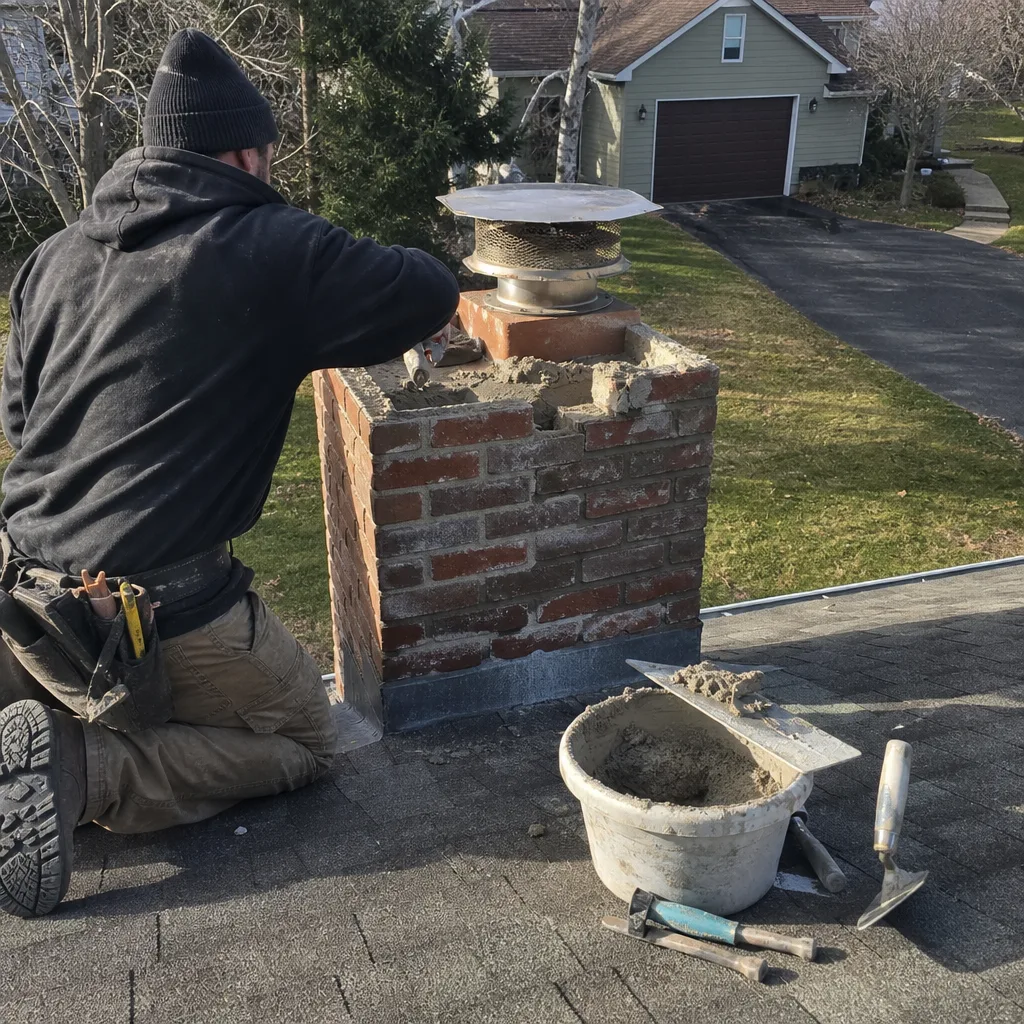
Call a professional when you notice any change in system performance: smoke spillage, draft reduction, unusual odors, or visible damage to exterior masonry. Call before burning season begins, so you’re not competing for appointment slots during the October-November rush in Naperville. Call when you’re buying or selling, to establish documented baseline condition. And call when you receive a competitor’s recommendation for expensive work - our Free Second Opinion lets you verify with independent camera evidence.
Level Two Chimney Naperville home provides Chimney Repair in Naperville and full sweep services with the documentation standards described here. We offer free estimates throughout Naperville - call (331) 265-1700 to schedule.
Frequently Asked Questions
A professional chimney sweep with NFPA 211 Level 2 camera inspection in Naperville typically costs $199-$349, depending on flue configuration, accessibility, and creosote condition. This includes the pre-cleaning camera scan, mechanical cleaning of all five zones, post-cleaning verification, and your documented photo record. Call (331) 265-1700 for an exact quote - estimates are free.
You need a new liner when the existing liner is cracked, separated, improperly sized for the appliance, or missing entirely - and only when camera inspection confirms the defect. We recommend liner replacement in approximately 15% of inspections, typically for clay tile failure in pre-1990 construction or gas conversion in an oversized wood flue. We will show you the camera footage, explain the specific code violation or failure mode, and provide a written price before any work begins. If a competitor recommends liner replacement without documentation, bring us their written estimate for a Free Second Opinion.
Wood-burning chimneys should be swept annually, gas systems every two years, and idle systems inspected every three years. Naperville’s cold winters and freeze-thaw cycles accelerate mortar deterioration and creosote condensation in exterior chimneys, making adherence to this schedule more important than in milder climates. If you burn more than three cords of wood per season, or notice any performance change, schedule mid-season inspection.
Skipped cleaning allows creosote accumulation to progress from powdery (Class I) to glazed (Class III), which is ignitable and cannot be removed by standard brushing. It permits moisture intrusion to deteriorate crowns and liners undetected. And it allows animal nesting, debris blockage, and damper failure to compromise draft and safety. The NFPA’s 27% chimney-fire statistic reflects these accumulated, unaddressed conditions. The cost of deferred maintenance typically exceeds the cost of regular cleaning by multiples.
A sweep is the mechanical cleaning of flue surfaces and associated components. An inspection is the systematic evaluation of system condition against NFPA 211 standards. A proper appointment includes both: camera inspection establishes baseline, cleaning addresses identified deposits, and post-cleaning inspection verifies results. “Sweep only” without inspection is incomplete service; “inspection only” without cleaning leaves identified hazards in place. Our standard appointment includes both, with documentation, under Clause 4 of the Haven Standard.
We don’t recommend DIY chimney cleaning for most Naperville homeowners. Proper cleaning requires camera access to the smoke chamber and full flue length, which homeowner brush kits cannot achieve. Without camera verification, you cannot confirm results or identify liner damage. Glazed creosote removal requires chemical or mechanical methods that risk liner damage in untrained hands. And chimney work involves roof access, steep pitches, and combustion byproducts that present health hazards. We document our work so you have proof of professional service; DIY provides no documentation for insurance or sale purposes.
The Bottom Line
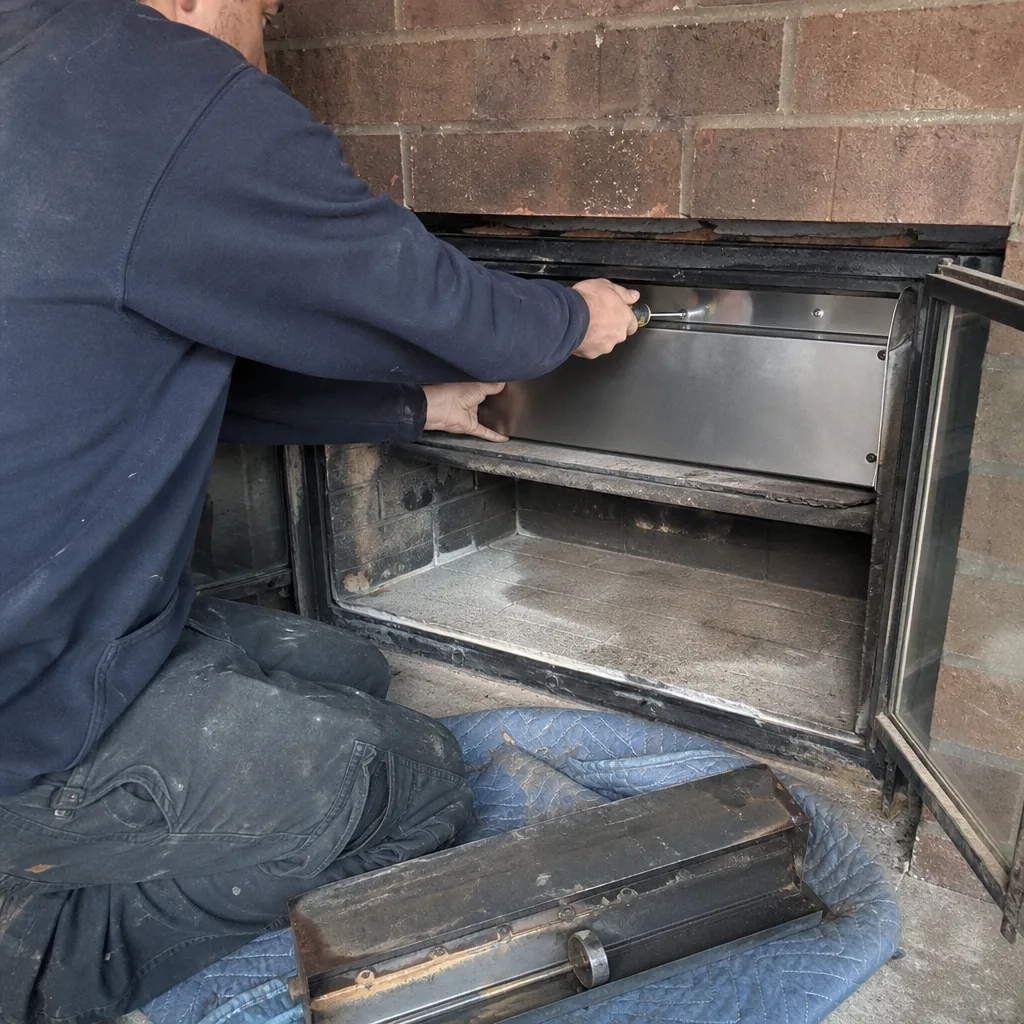
Chimney cleaning in Naperville is not a single indiscriminate brushing - it’s zone-specific service across five distinct areas, each with its own hazards, methods, and documentation requirements. The difference between adequate and inadequate service lies in the camera record that proves what was found, the written price agreed before work starts, and the warranty that backs the result. Demand these standards from any provider, or schedule with a company that made them mandatory sixteen years ago. Browse more guides & resources to protect your home and your investment. Since 2009, we’ve applied Clause 4 of the Haven Standard to every one of 38,000+ chimneys: a documented photo record, a written price before work begins, and a 365-Day Done Right Promise on completion.
Ready to schedule your documented chimney cleaning? Call Level Two Chimney Naperville at (331) 265-1700 for a free estimate. We’ll show you what we find, name the price before we start, and leave you with proof that the work was done right.
Written by Corrine Halstead, Owner at Level Two Chimney Naperville, serving Naperville since 2009.