
Level 1 sweep and inspection to the NFPA 211 annual standard - flue, crown, cap, and flashing checked and photographed
Chimney sweep logs do not sweep chimneys. They loosen some creosote - which then falls where a brush and vacuum still have to collect it.
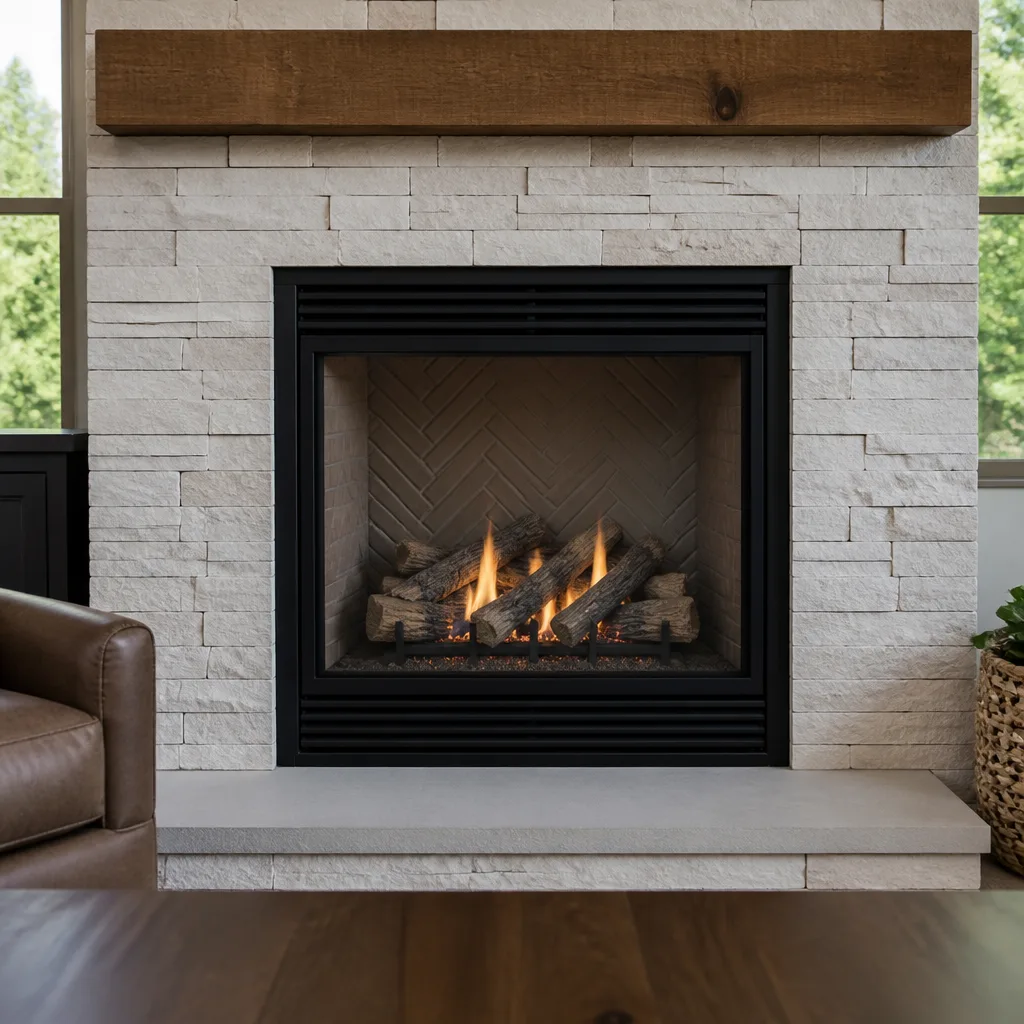
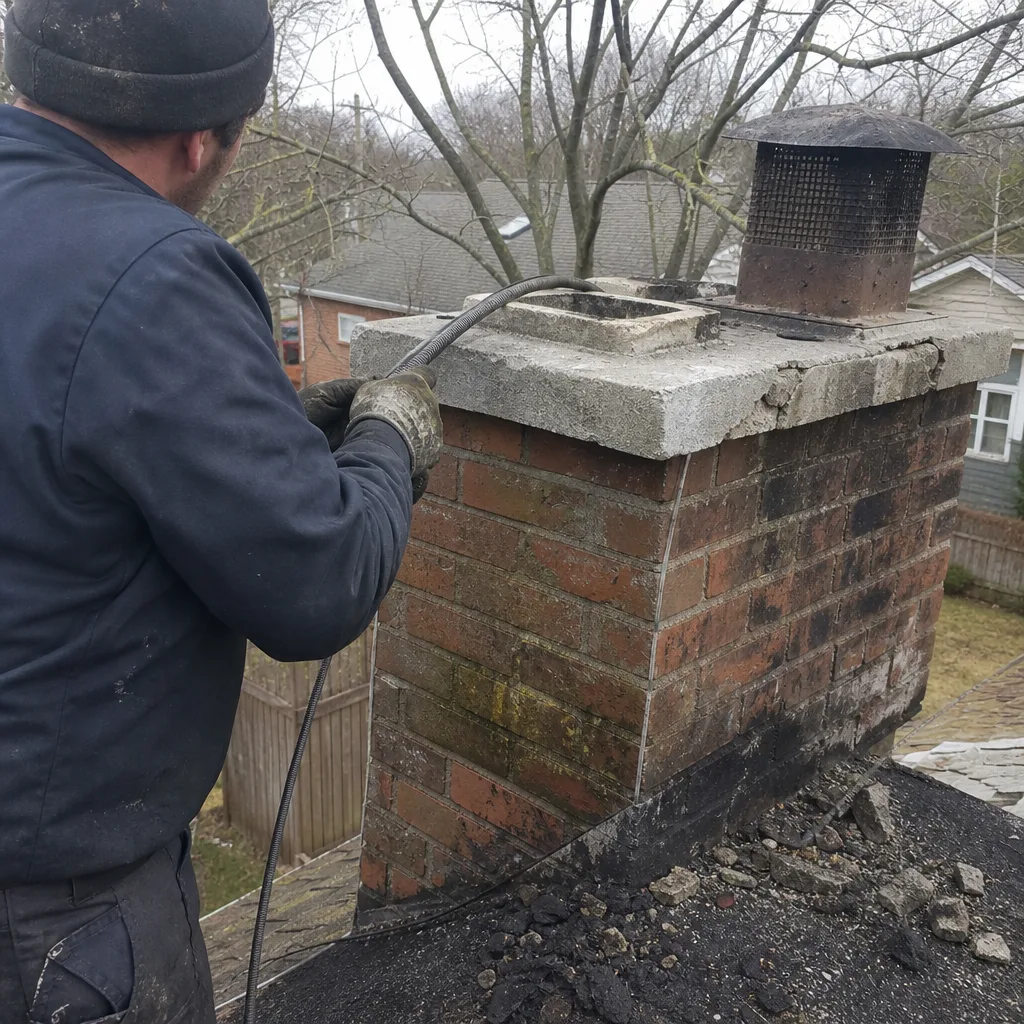 Before
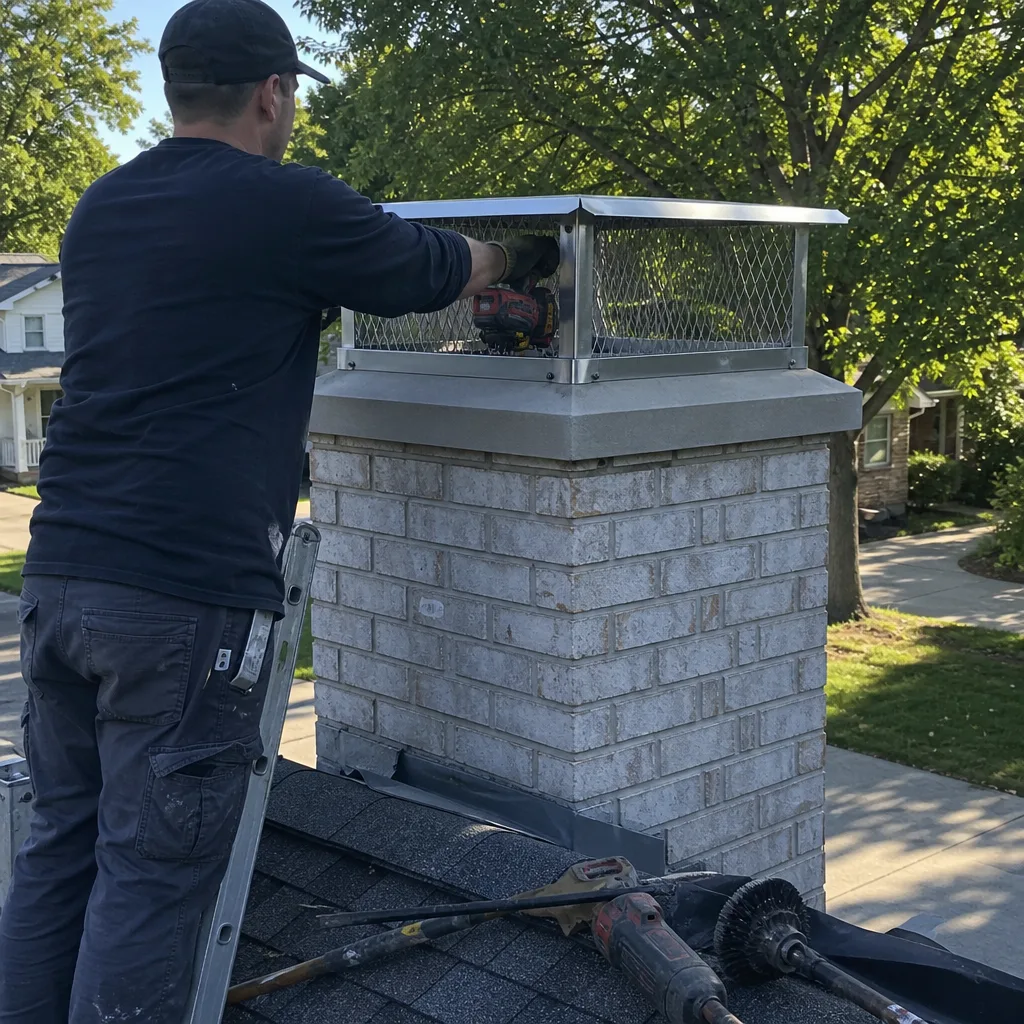 After
After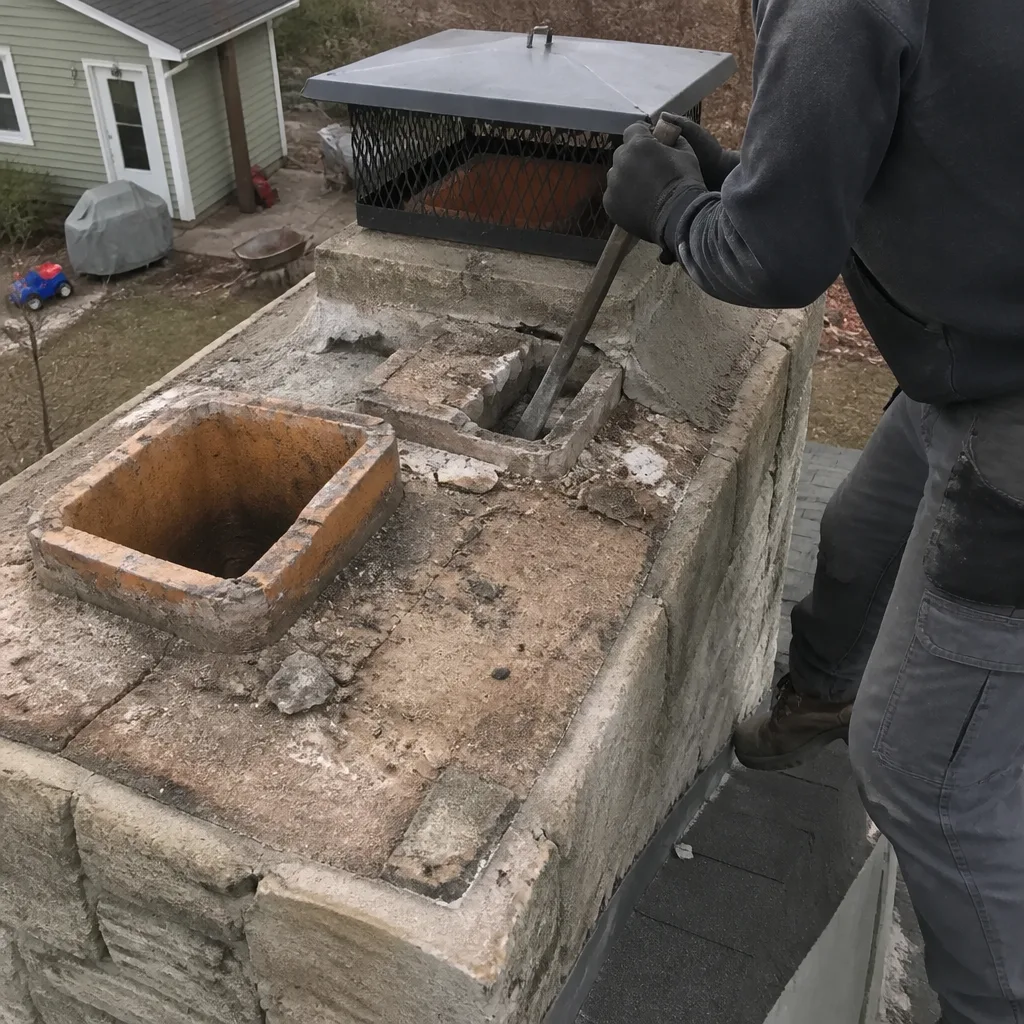 Before
 After
After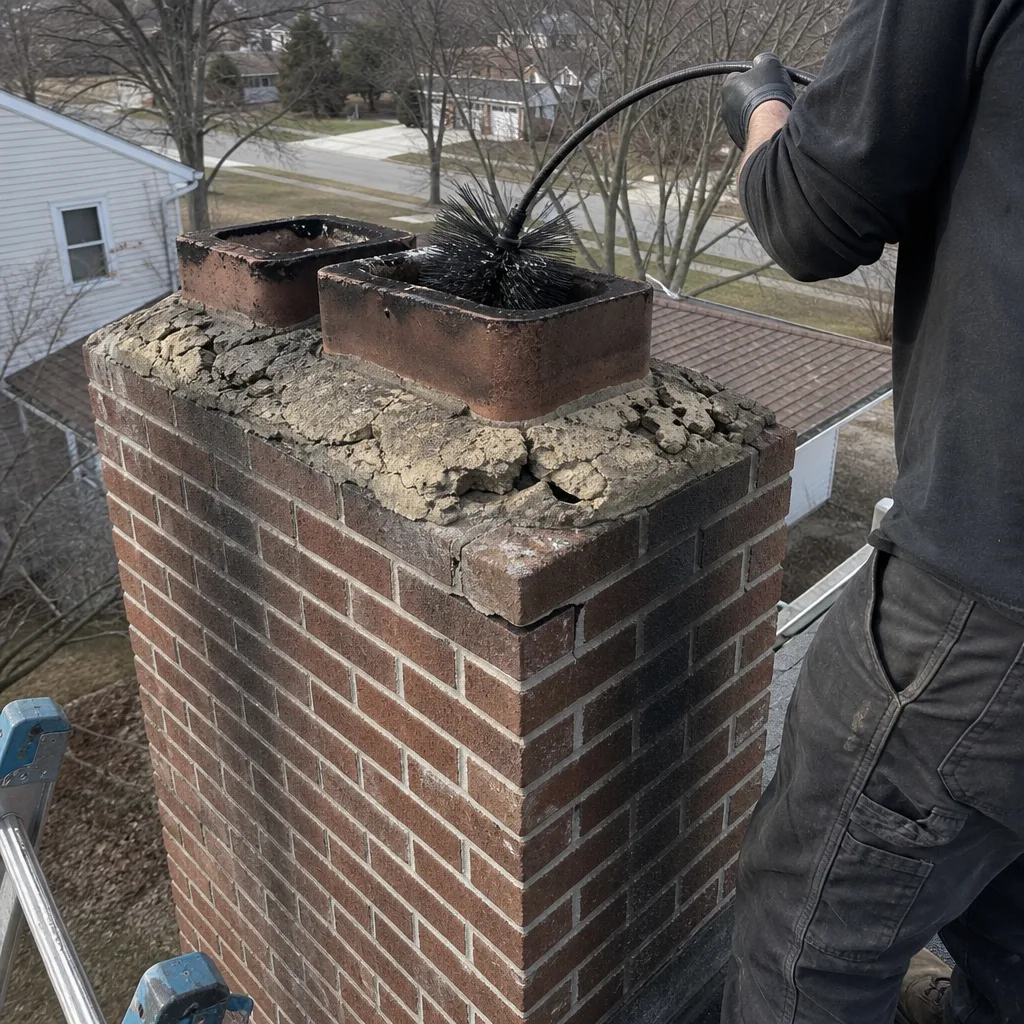 Before
 After
AfterChimney Cleaning Before & After in Naperville, IL
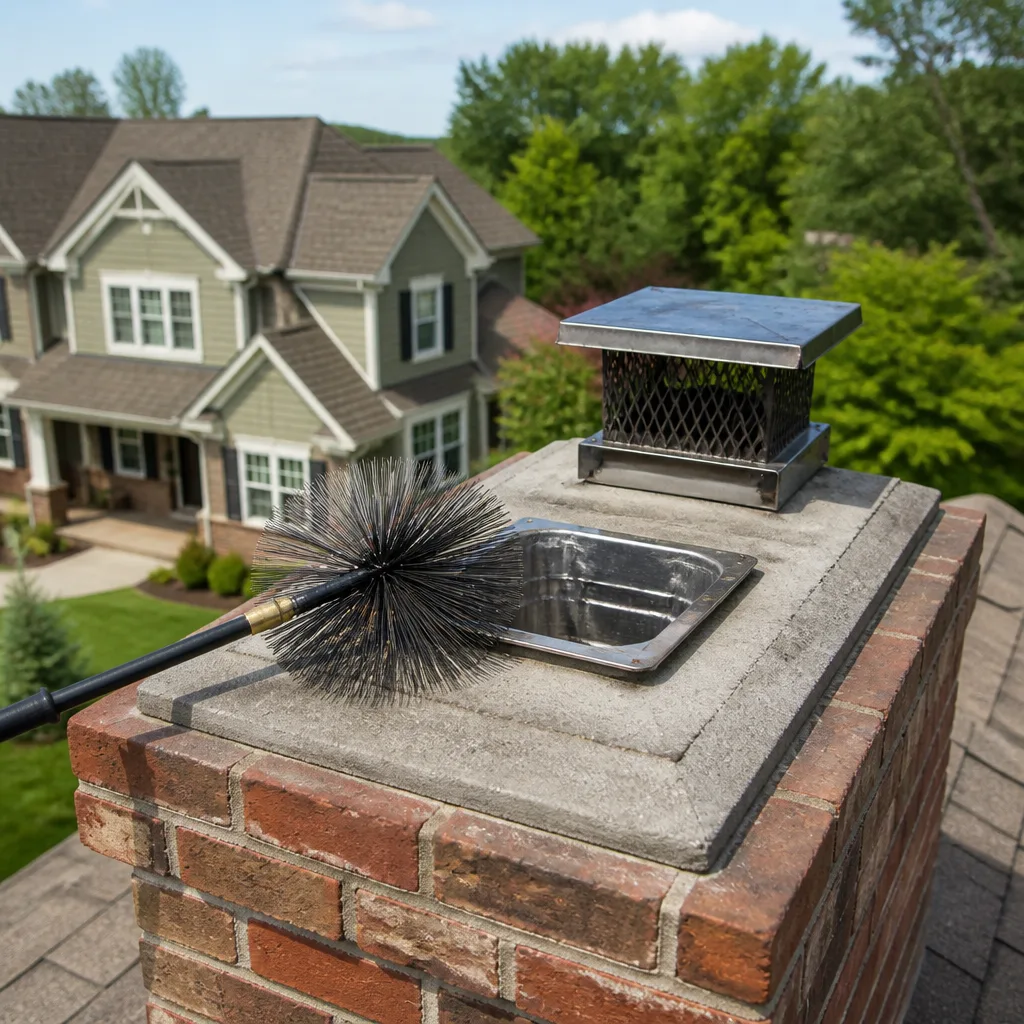
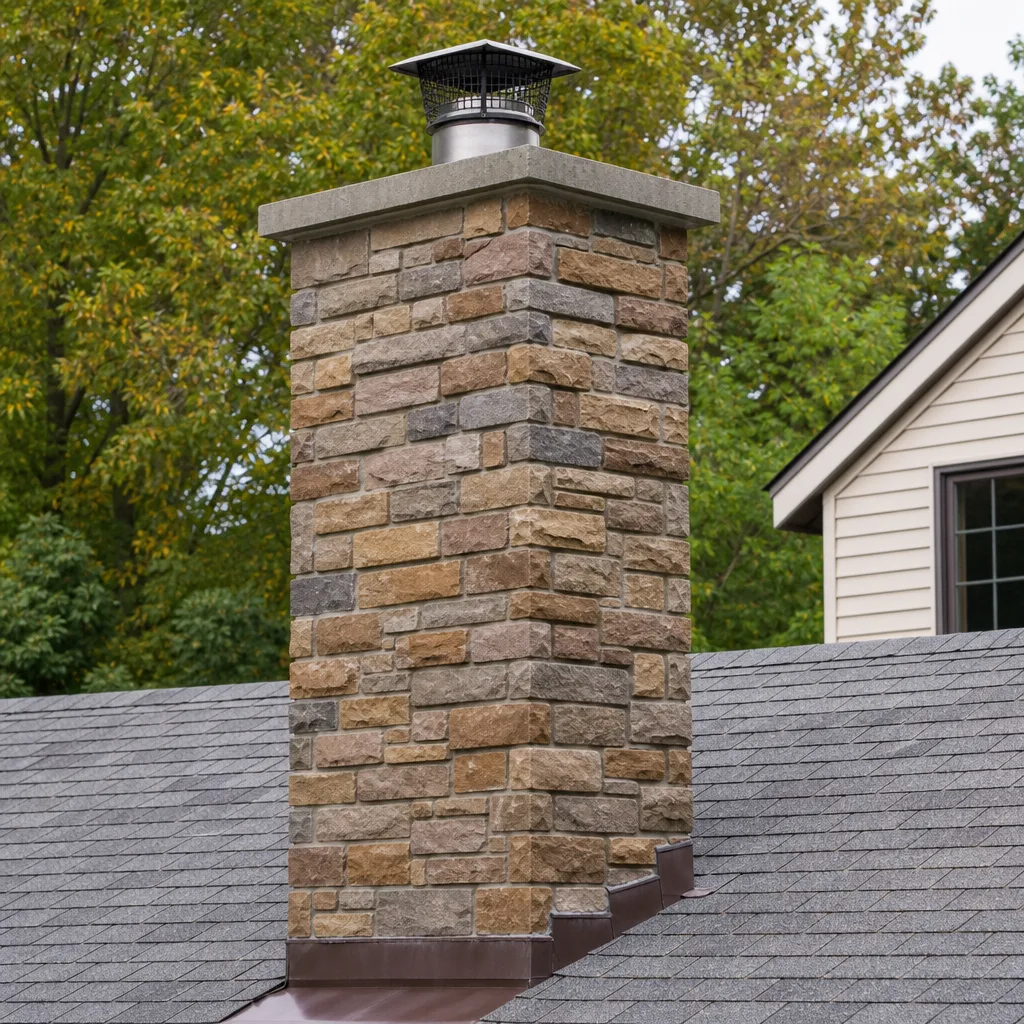
We’ve cleaned and inspected more than 38,000 chimneys since 2009, and we’ve photographed every one. The photos below show what we actually find in Naperville flues, and what they look like after we’re done. No stock images. No staging. Just the work.
Recent Transformations
Class III Glazed Creosote Removal, Cress Creek


The homeowner in Cress Creek had been burning seasoned oak for three winters without a sweep. We found Class III glazed creosote, a hard, tar-like deposit that forms when wood smoke condenses and bakes onto the flue liner surface. It’s the fuel source in most chimney fires. We ran a rotary mechanical system with chains and whips to break the glaze, then vacuumed the debris. The flue liner was sound underneath, so a full cleaning returned it to code. Clause 4 of the Haven Standard required us to deliver dated photos of every stage, plus the camera-scan footage showing the cleared passage.
Smoke Chamber Parging, Near Naper Boulevard


This fireplace near Naper Boulevard was smoking into the living room every time the wind came from the northwest. The smoke chamber, the area above the firebox that funnels smoke into the flue, was corbeled brick with gaps big enough to drop a pencil through. Smoke eddied in those gaps instead of rising. We applied HeatShield cerfractory foam, a refractory material rated to 3,000°F, to create a smooth, sloped passage. The parging eliminated the smoke rollout and improved draft efficiency. The homeowner received photos of the gaps, footage of the application, and the written 365-Day Done Right Promise before we packed up.
Flue Liner Debris Blockage, Springbrook Prairie Area


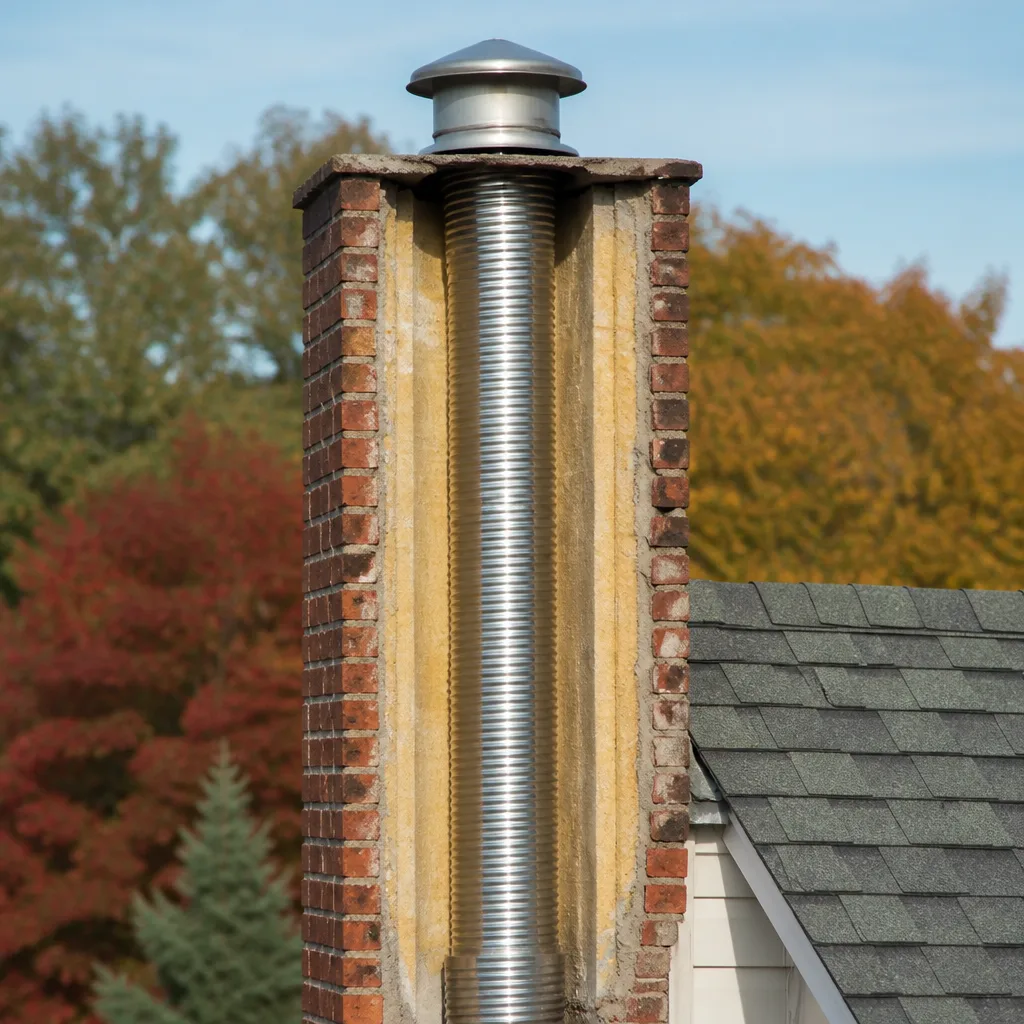
A family in the Springbrook Prairie area called after their carbon monoxide detector triggered during a Sunday fire. We found a squirrel nest packed into the top three feet of the stainless steel flue liner, with enough debris below to reduce the effective flue diameter by 60%. Carbon monoxide was spilling because exhaust had no path out. We removed the nest, ran a brush-and-vacuum cleaning the full length, and camera-scanned to confirm the liner was clear and intact. The detector stopped triggering. We documented the blockage, the removal, and the clear scan in the photo record delivered that evening.
Crown Rebuild with Cap Installation, Downtown Naperville Historic District


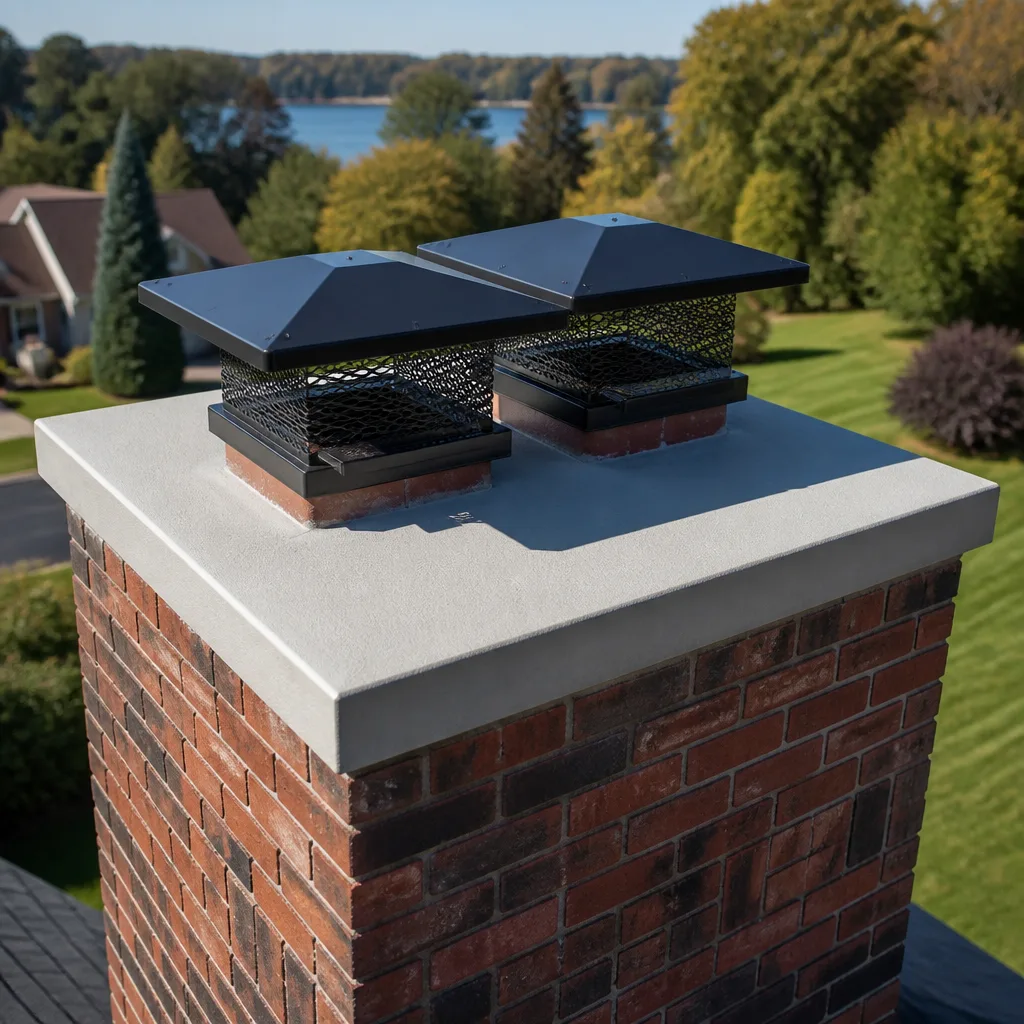
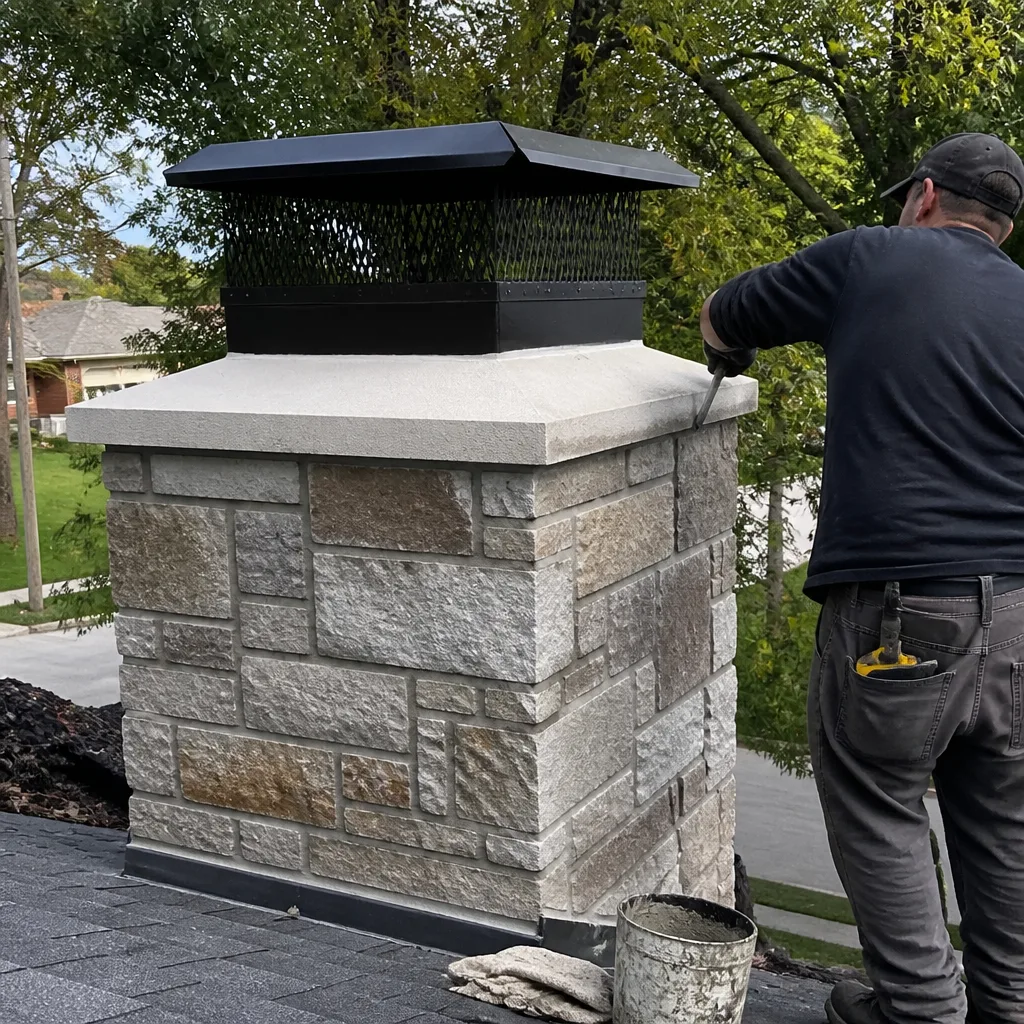
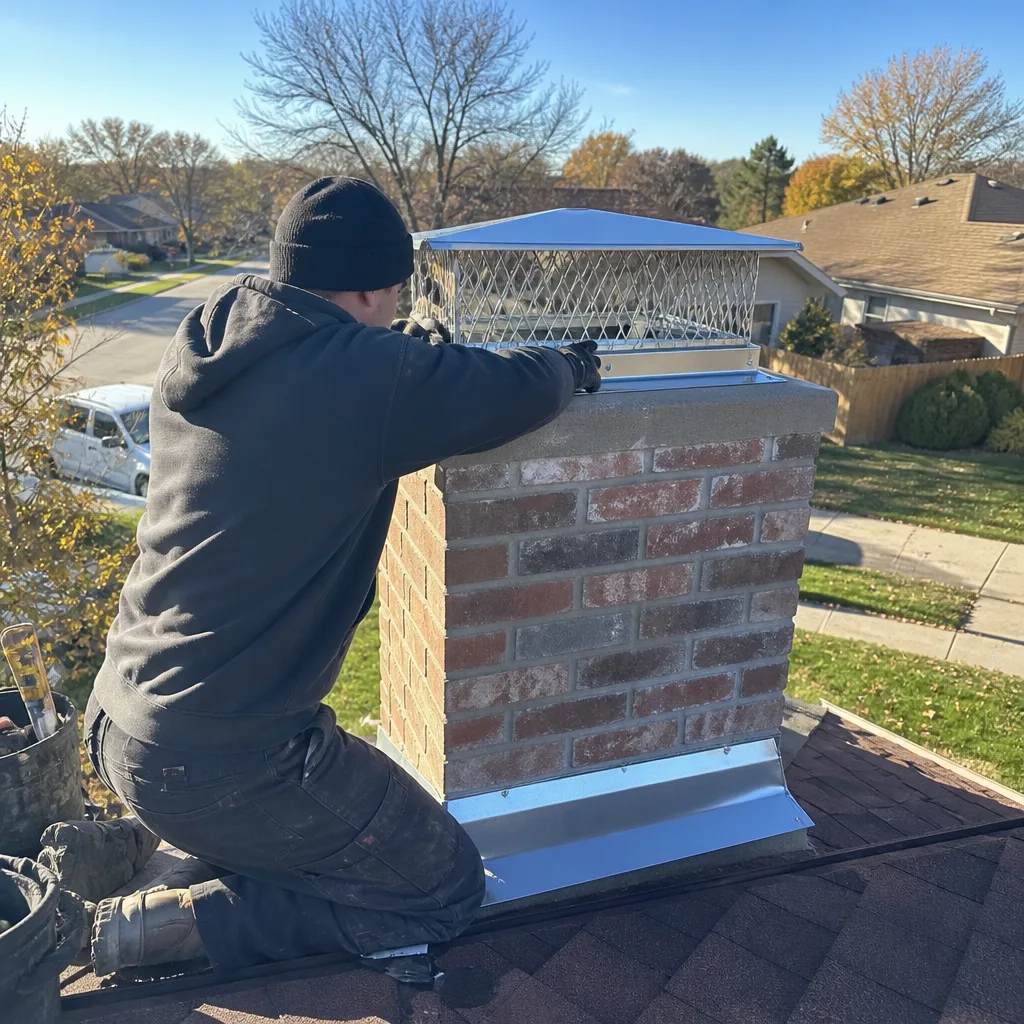
The crown on this 1920s home in the downtown historic district had spalled so badly the rebar was visible. Water was running straight into the chase, saturating the flue liner and eroding the smoke chamber below. We formed and poured a new concrete crown with a proper drip edge to shed water clear of the brickwork, then installed a Gelco stainless steel chimney cap with mesh screening. The cap stops new water intrusion and keeps animals out. The homeowner got the crown photos, the pour footage, and a written price for the work before we started, as Haven Standard Clause 1 requires.
Firebox Refractory Panel Replacement, Near Route 59


The refractory panels in this factory-built fireplace near Route 59 had hairline cracks that widened after every burn cycle. Refractory panels are the heat-resistant walls of the firebox; once cracked, they lose their insulating value and can allow heat transfer to surrounding framing. We sourced matching panels through Haven’s buying network and installed them with the manufacturer’s specified clearances to combustibles. The fireplace was back to safe operation that afternoon. The photo record shows the crack pattern, the panel specifications, and the finished clearances.
Annual Maintenance Sweep, Tall Grass Neighborhood


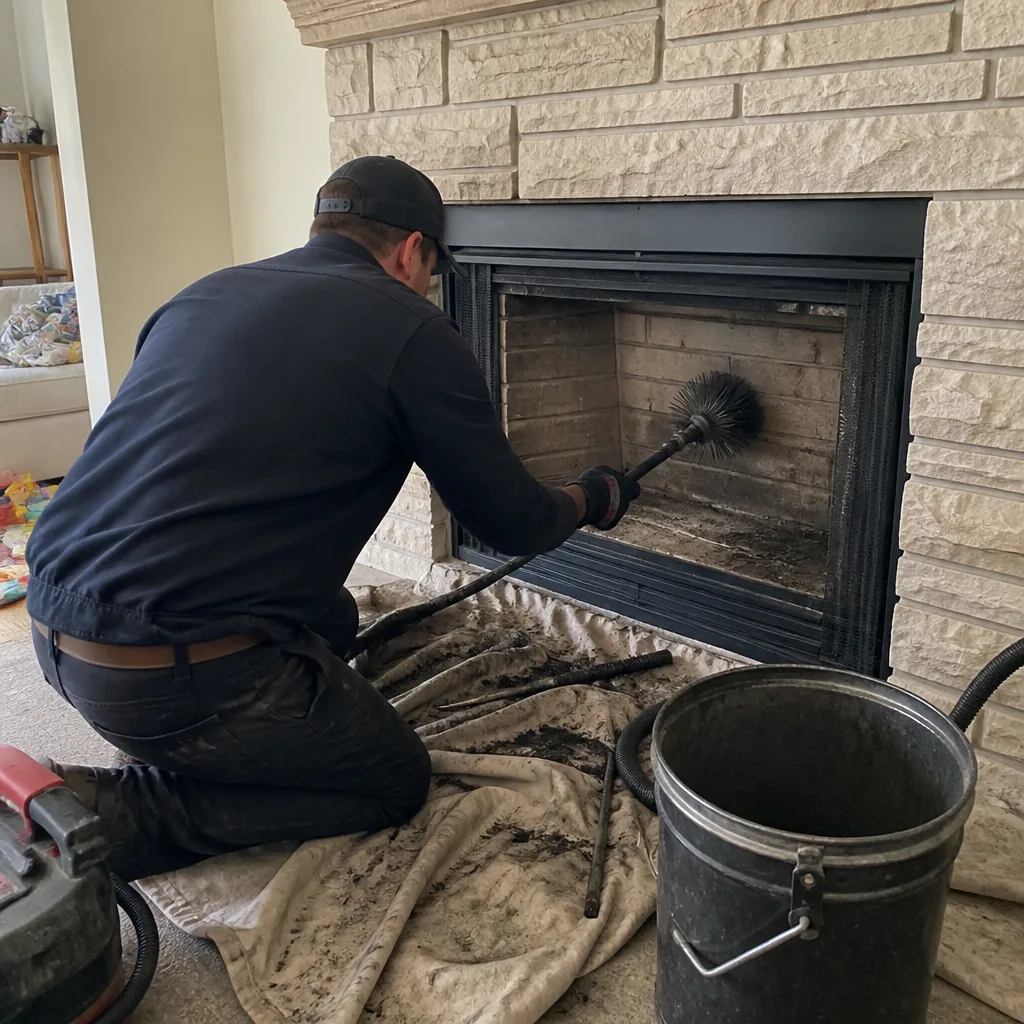
This was a textbook annual maintenance sweep in Tall Grass, the kind we do thousands of times each year. The clay flue liner had a standard 1/8-inch layer of soot and fine ash from a season of weekend fires. We ran polypropylene brushes sized to the flue diameter, vacuumed the debris, and camera-scanned to confirm no hidden defects. The whole visit took under 90 minutes. The homeowner left with a written sweep report, the dated photo record, and a recommended date for next year’s appointment. This is what preventive chimney care looks like when it’s done on schedule.
Want Results Like These?
Every job above started the same way: a phone call to (331) 265-1700, answered by a live person. We schedule the visit, assign a named technician, and send a text when they’re on the way. You’ll get a written price before any work starts, a camera-scan inspection with documented photo record as Clause 4 of the Haven Standard requires, and the 365-Day Done Right Promise in writing. If you’ve already got a competitor’s estimate, we’ll give you a Free Second Opinion. Call (331) 265-1700 or book online.
Written by Corrine Halstead, Owner at Level Two Chimney Naperville, serving Naperville since 2009.